Imagine finishing a week in the French Alps, where you can move through Les 3 Vallées from Val Thorens toward Méribel and Courchevel across roughly 600 kilometres of connected pistes, supported by a lift network designed to move enormous numbers of people quickly and efficiently. In places such as Val d’Isère, La Plagne, and the wider Paradiski area, high-capacity gondolas, fast detachable chairlifts, funiculars, and carefully connected valleys have made it possible to cover huge distances without thinking very much about how the infrastructure works.
That is skiing at its most developed. Europe has spent generations building mountain transport on a scale that very few regions can match, while North America and Japan have added their own versions of fast lifts, polished resort operations, and highly organized ski tourism.
South America is not that, and anyone travelling to Argentina or Chile expecting a smaller copy of the Alps may be disappointed before the first proper ski day even begins.
That does not mean skiing and snowboarding in South America are not worth the journey. It means the value is found somewhere else, and understanding that difference before you arrive is one of the most important parts of planning the trip well.
Final Thoughts
The Short Answer
Yes, skiing and snowboarding in South America are worth it for the right traveller, although not necessarily for every skier or snowboarder and not for every type of holiday.
If this is your only ski trip of the year, you have only five or six days, and your main objective is to maximize lift-served kilometres with the least possible travel, you may get more predictable value closer to home. If you are already travelling through South America, want to extend your winter, enjoy food and culture as much as skiing, or simply want to experience a completely different mountain world, the answer becomes much easier: South America can be one of the most rewarding ski trips you take.
The key is to arrive with realistic expectations. The lift systems are often slower, storm recovery can take time, mountain roads become congested, and not every resort offers the level of polish that experienced travellers take for granted in Europe, Japan, or the major North American destinations. In exchange, you get remarkable scenery, a social mountain culture, a strong sense of place, and the strange pleasure of pulling on a ski jacket in July or August while much of the Northern Hemisphere has forgotten about winter.
You Are Skiing in July and August
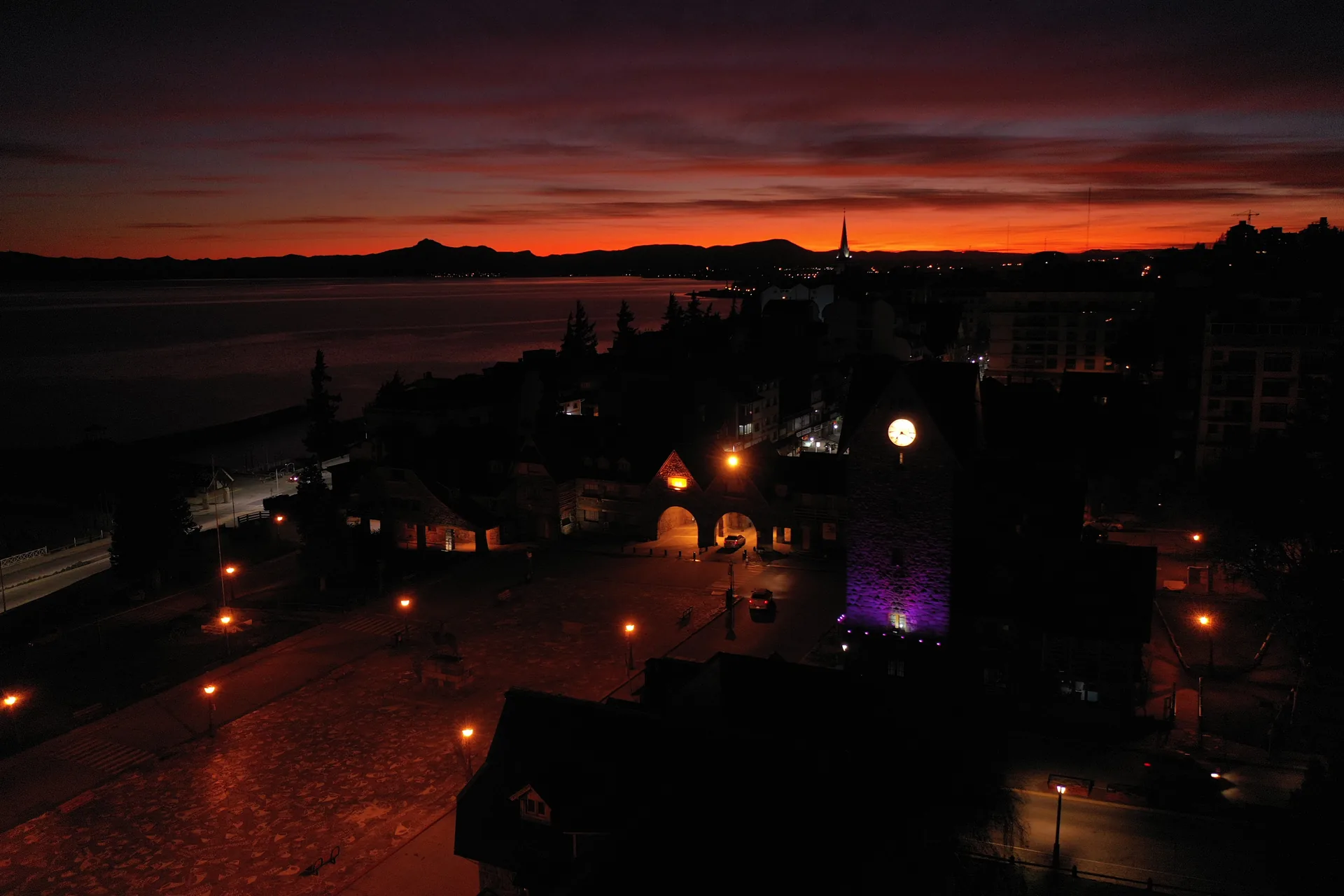
There is something slightly absurd about opening a weather app in the middle of July, checking wind direction over the Andes, and deciding whether tomorrow should be a Cerro Catedral day, a Valle Nevado day, or a rest day.
At that point in the year, you could easily be chasing waves, planning a summer road trip, or sitting outside late into the evening somewhere warm. Instead, you are carrying ski boots through an airport, looking at snow forecasts, and wondering whether the next storm will arrive from the Pacific with enough energy to cross the Andes.
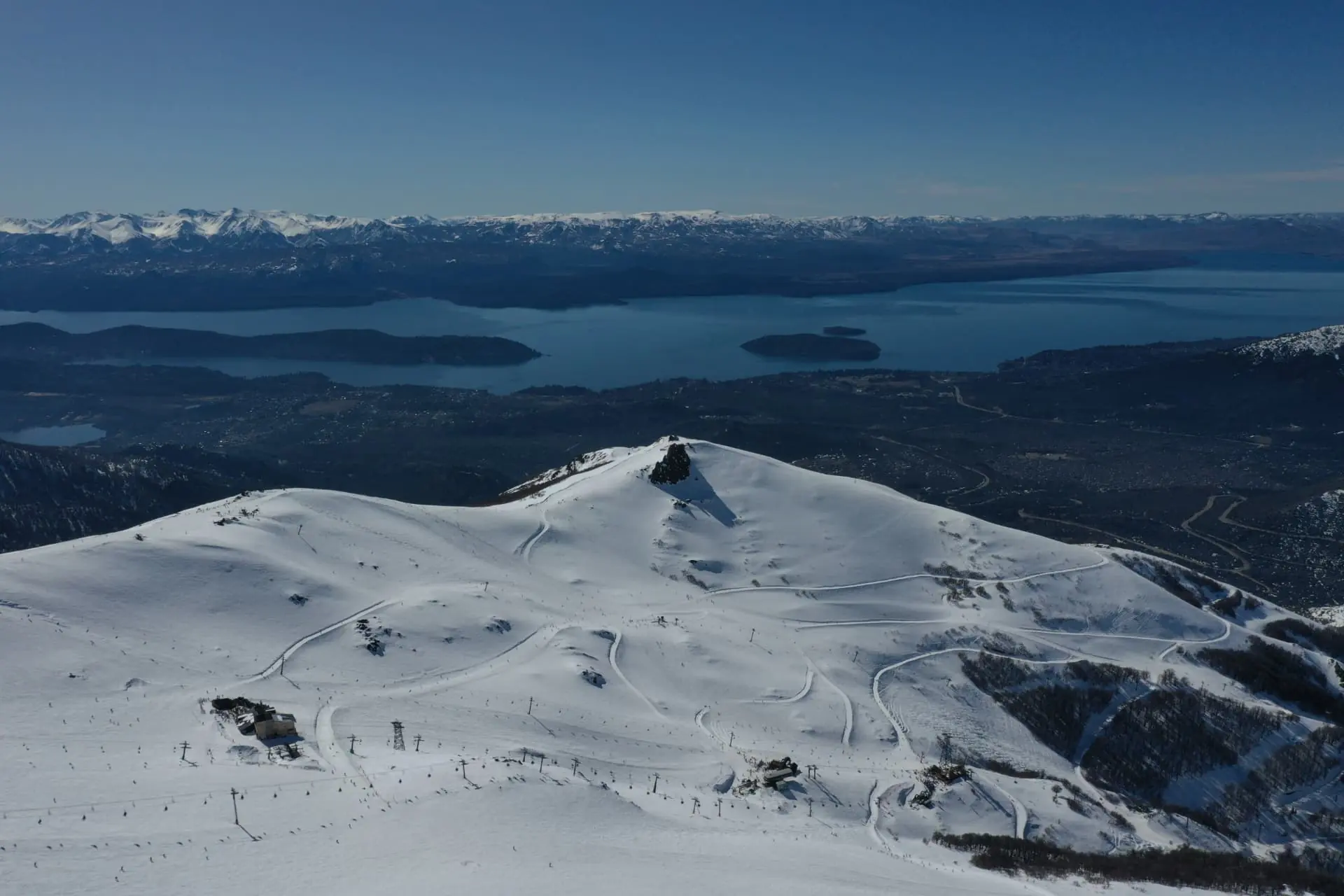
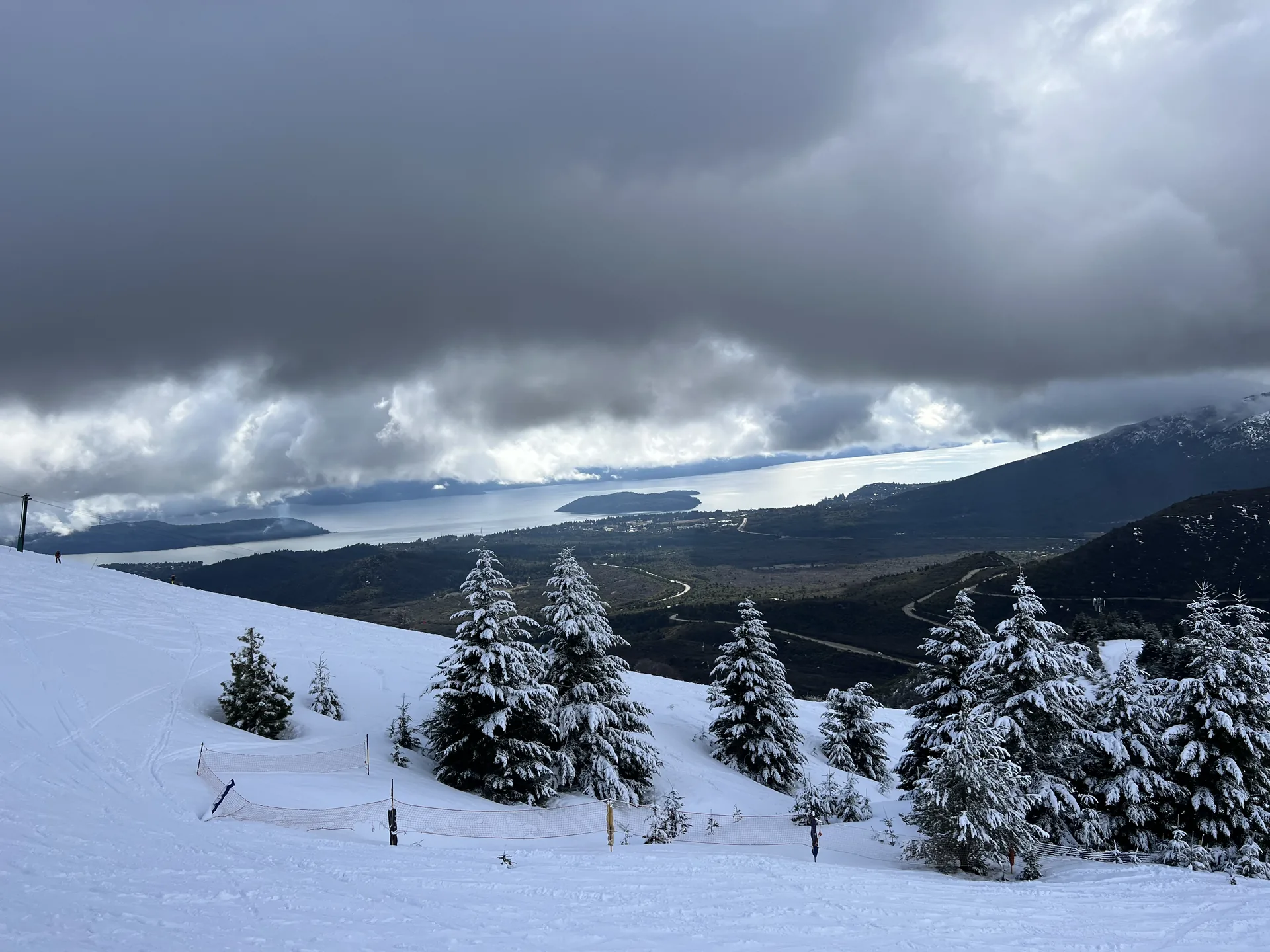
That reversal of seasons is one of the first reasons the trip feels special. When most of your ski equipment would normally be stored away, you are bringing it back into use. The first time you stand above Bariloche in August and look across snow-covered peaks, forests, and Nahuel Huapi Lake, the experience feels unfamiliar even if you have spent your entire life skiing.
South America Is Not Europe
It is better to deal with the disadvantages honestly, because pretending they do not exist only creates the wrong expectations.
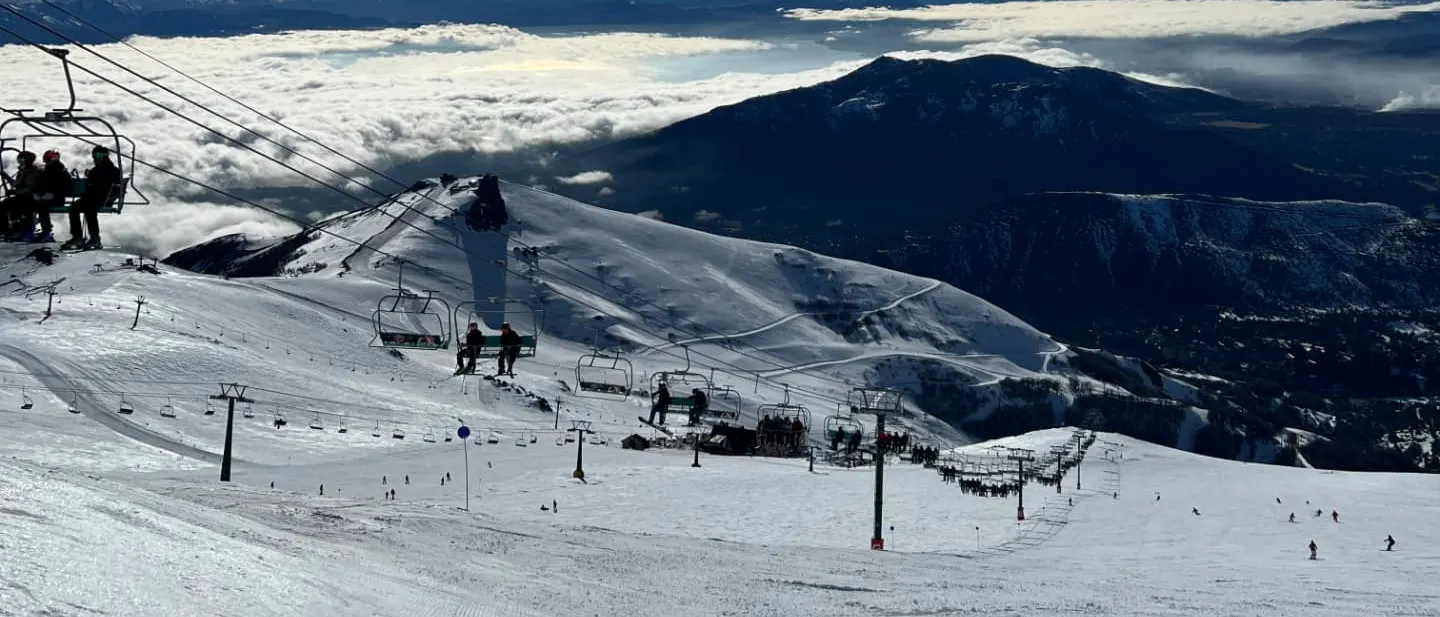
At many South American resorts, some lift infrastructure is modern and some is not. Cerro Catedral has received substantial investment over time, Valle Nevado has modern high-capacity lifts in important sectors, and other resorts have upgraded parts of their networks, but you will still encounter slower chairs, older doubles, surface lifts, and connections that take longer than they would in a major Alpine area.
That difference becomes most obvious on a powder morning. An overnight storm can leave everyone waiting for the upper mountain to open while patrol completes avalanche control and safety work. I have experienced this at both Cerro Catedral and Valle Nevado, where the snow looked perfect but the first useful lift access did not begin until around 10 a.m. By then, the queue had grown, everyone knew what was waiting above, and patience was in short supply.
It can be frustrating, but it is not evidence that safety is being ignored. In many cases, the delay exists precisely because the mountain is being treated seriously. Large storms, wind loading, poor visibility, and avalanche exposure require time, and the Andes do not become less consequential simply because someone has travelled a long way for first tracks.
Road access creates another compromise. The trip between Bariloche and Cerro Catedral can slow considerably during peak periods, especially after snowfall or around the start and end of the ski day. In Chile, the road between Santiago and Valle Nevado, La Parva, El Colorado, and Farellones can become far worse on busy weekends or holidays, with the return journey occasionally stretching into many hours.
If you expect every day to operate with the efficiency of Switzerland or the French Alps, South America will occasionally test your patience. If you understand that these delays are part of the destination and plan where you stay accordingly, they become much easier to manage.
The Slower Chairlift Is Not Always a Bad Thing
A slow chairlift is still a slow chairlift, and I am not going to pretend that every outdated double chair is charming simply because it is in the Andes. Yet the slower pace often creates a kind of social experience that has become rare in many larger ski regions.
In much of Europe, you can spend a week sharing lifts with strangers without exchanging more than a greeting. In Argentina and Chile, a longer ride often becomes a conversation before you have travelled halfway up the mountain. Someone asks where you are from, tells you which sector held the best snow, recommends a restaurant, or begins explaining why the wind will affect one side of the resort before the other.
In Argentina, the interaction may include mate or whatever snacks the person beside you happens to be carrying. If there are nuts, they are suddenly for everyone. If the conversation continues, you may end up skiing a few laps together, meeting later for a beer, or being invited somewhere that evening. Sometimes you become friends, while other times the encounter ends when the chair reaches the top and you never see each other again.
Either way, the experience feels human. South America makes it very easy to meet people unless you actively choose not to, and for solo travellers in particular, that can be one of the strongest reasons to return.
Safety, Piste Marking, and Medical Support
Many first-time visitors worry that skiing in South America will feel less controlled or less professional than skiing in Europe or North America. At the major resorts, that concern is generally misplaced.
Cerro Catedral, Valle Nevado, La Parva, El Colorado, Las Leñas, Nevados de Chillán, and other established destinations operate with mountain patrol, avalanche-control procedures, marked pistes, rescue systems, and medical support that experienced skiers and snowboarders will recognize. Signage is usually clear, and even when the wording appears only in Spanish, international symbols make the important information understandable.
English is more commonly available in Chile, particularly in the larger resorts around Santiago and through hotels, guides, ski schools, and other tourism services. In Argentina, English is available through professional services as well, although ordinary communication may require more patience and some basic Spanish. For simple situations, translation apps and AI tools remove much of the barrier that existed even a few years ago.
Cellular reception is generally good in the main resort areas, which makes it possible to use weather forecasts, wind models, mapping tools, and emergency communication as you would elsewhere. Anyone entering the backcountry should still carry the appropriate equipment, have offline mapping, understand local avalanche information, and preferably use an experienced local guide, but the technology available to plan and track a day is not fundamentally different from what advanced skiers use in other mountain regions.
The medical standard at the major resorts and in the larger nearby cities is also reassuring. No mountain trip is risk-free, and language can complicate communication, but a normal ski injury does not place you outside a functioning medical system. Bariloche, Santiago, Mendoza, and the main resort networks are accustomed to dealing with international visitors.
The Mountains Do Not Feel Like Anywhere Else
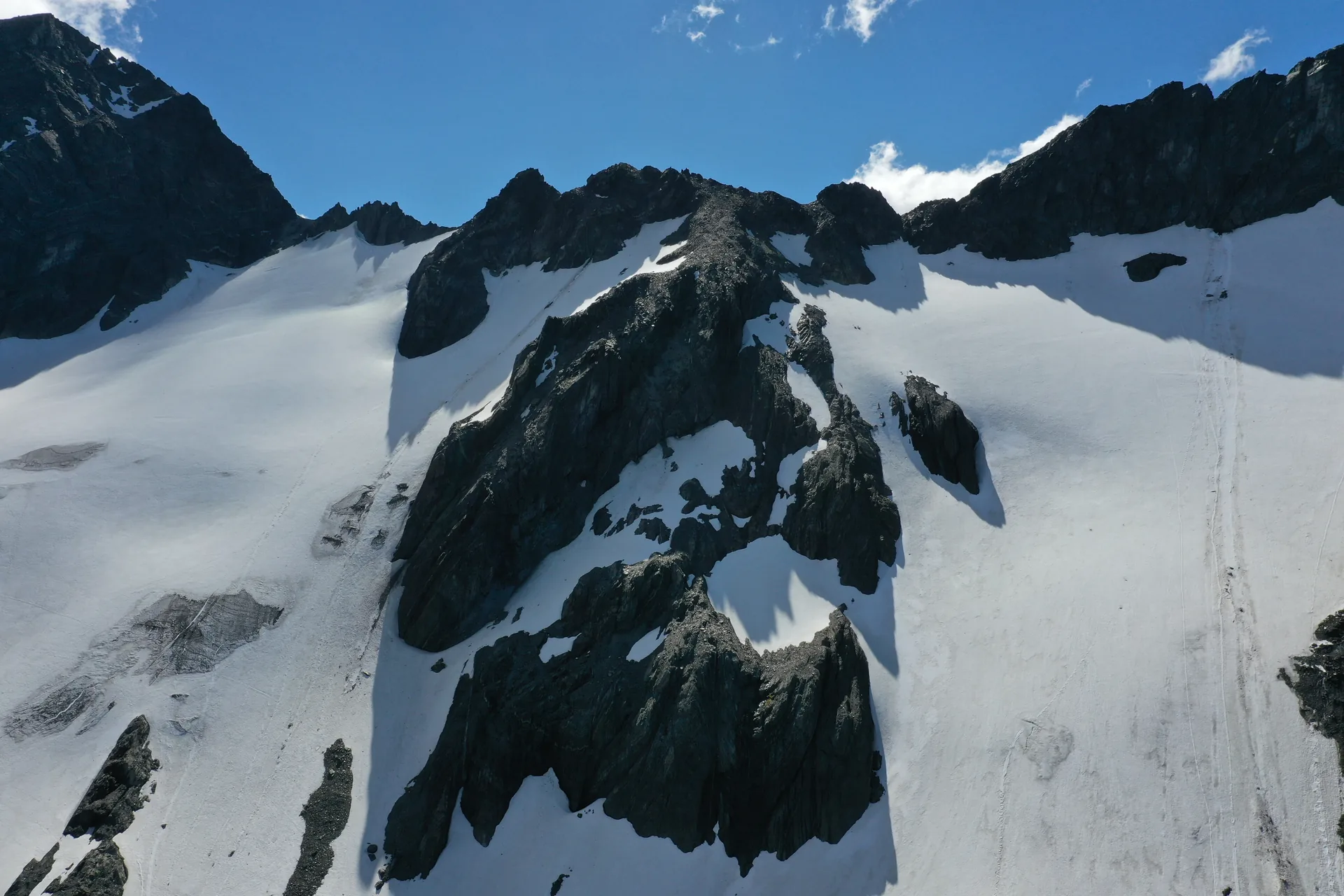
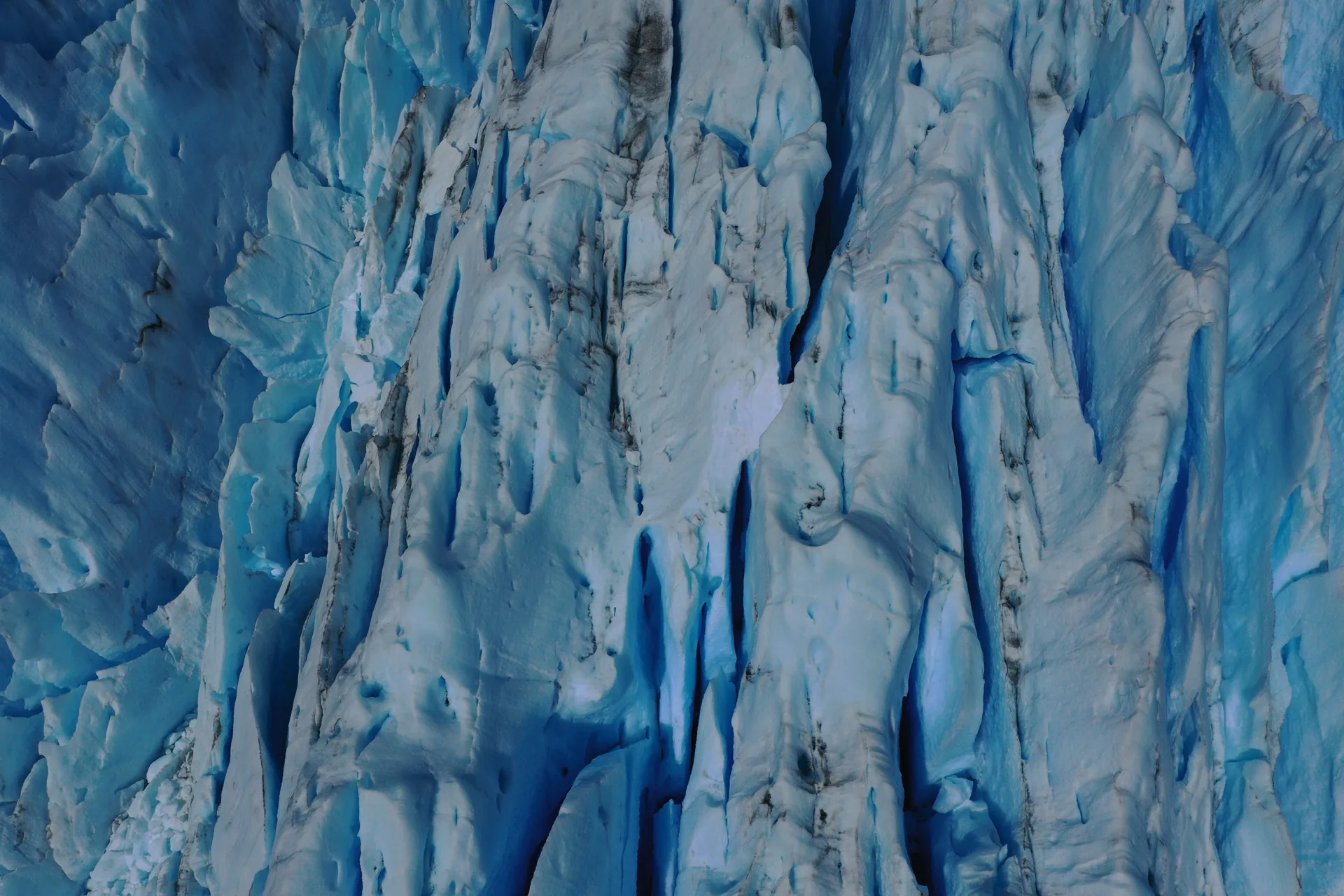
I am not interested in declaring Patagonia more beautiful than the Alps, the Chilean Andes more dramatic than the Rockies, or South American powder better than Japan. Those comparisons become meaningless very quickly because scenery is personal and every mountain region has days that stay with you forever.
What I can say is that the Andes feel distinct.
At Cerro Catedral, the combination of snow-covered ridges, forests, lakes, and the first light over Bariloche creates one of the most memorable mountain views I have seen anywhere. A clear sunrise over Nahuel Huapi Lake can make the entire day feel worthwhile before the lifts have even opened.
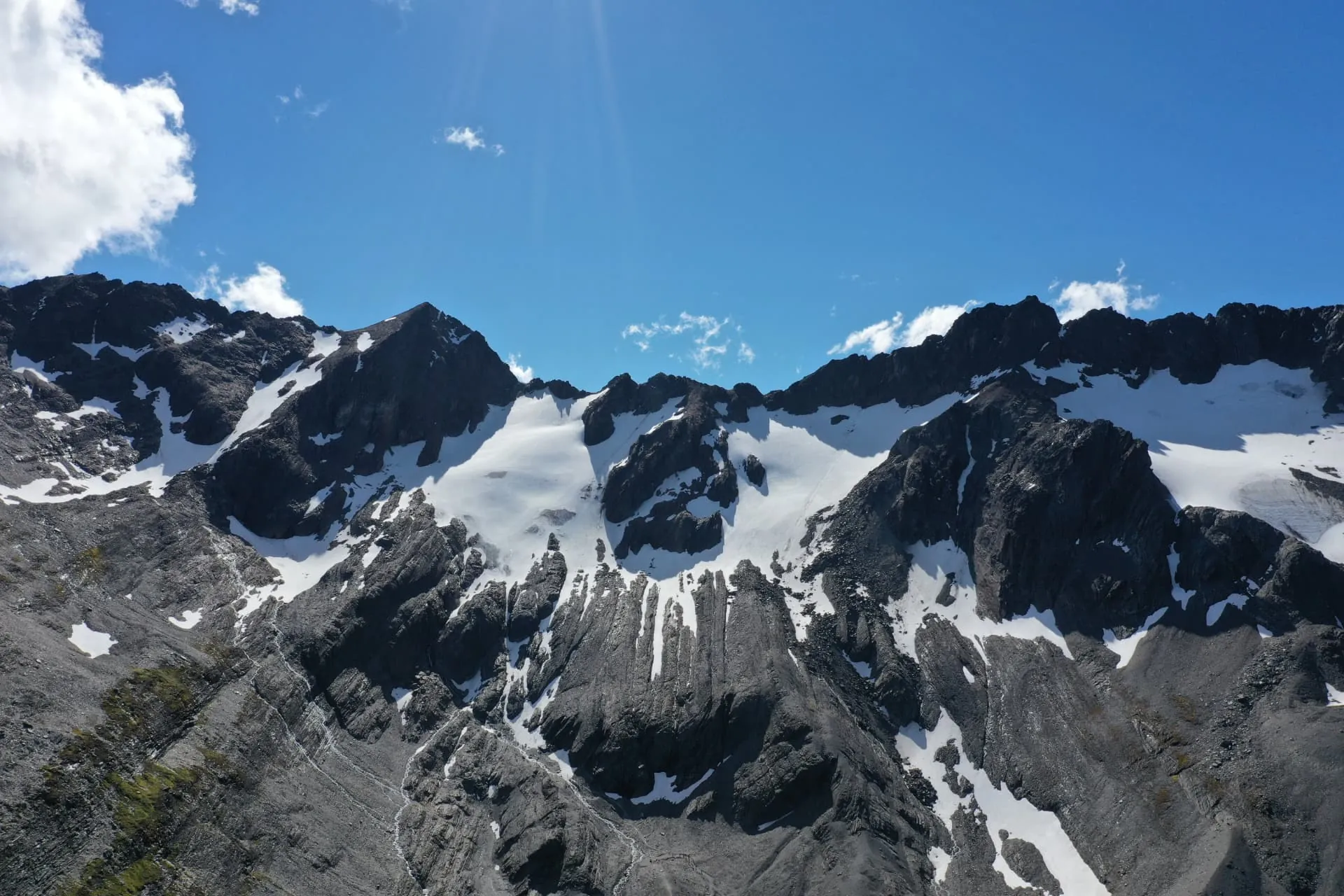
In central Chile, the landscape changes completely. Valle Nevado, La Parva, and El Colorado sit high above Santiago in a drier, more open environment, with long ridges, broad alpine terrain, and a scale that becomes clearer the farther you look into the Andes. Farther south, around Nevados de Chillán and the volcanic regions, the character changes again, with forested approaches, volcanic terrain, and touring possibilities that feel entirely different from both Bariloche and the central Chilean resorts.
Las Leñas has another personality again, with a remote, high-mountain atmosphere and terrain that has attracted advanced skiers and freeriders for decades. These places are not substitutes for one another, and that variety is one of the reasons a longer South American trip can be so rewarding.
The People Are Part of the Destination
The mountains may be what bring people to South America, but the social experience is often what brings them back.
Both Argentina and Chile have welcoming mountain cultures, and it is usually easy to ask for help, start a conversation, or receive a recommendation that has nothing to do with an official tourism brochure. Locals will tell you where the snow stayed cold, which road to avoid, where to eat after skiing, and whether the weather forecast is likely to be completely wrong.
Argentina tends to feel more immediate and informal. Conversations start quickly, plans change, tables expand to include new people, and a normal day can become social without much effort. Chile can feel more international around Valle Nevado and the resorts near Santiago, where it is common to meet Americans, Canadians, Europeans, and other Ikon Pass travellers alongside Chilean skiers and snowboarders.
Neither country has a monopoly on hospitality, but the style differs. Argentina often pulls you into the local rhythm, while Chile can be easier for someone who wants to meet both locals and other international visitors without relying heavily on Spanish.
Skiing Is Only One Part of the Trip
The strongest argument for South America may be that the holiday does not collapse when you are not skiing.
In Bariloche, a weather day can become a long lunch, a brewery visit, a drive along the lake, or an evening built around steak, Malbec, and whichever restaurant somebody recommended on the chairlift. Buenos Aires can be added before or after the ski portion of the trip, turning the journey into something much larger than a resort holiday.
In Chile, Santiago provides restaurants, nightlife, shopping, museums, and access to wine regions, while longer itineraries can continue south toward Nevados de Chillán and the volcanic areas. The size of the country and the variety of landscapes make it possible to combine skiing with a much broader trip rather than treating the mountain as an isolated destination.
This matters because South American weather can be volatile. If every non-ski day feels like a financial and emotional loss, the trip may become frustrating. If food, cities, lakes, wine, road trips, and local culture are already part of the plan, a closed lift or a poor-weather day does not have the same power to ruin the holiday.
Food, Wine, and the Evenings After Skiing
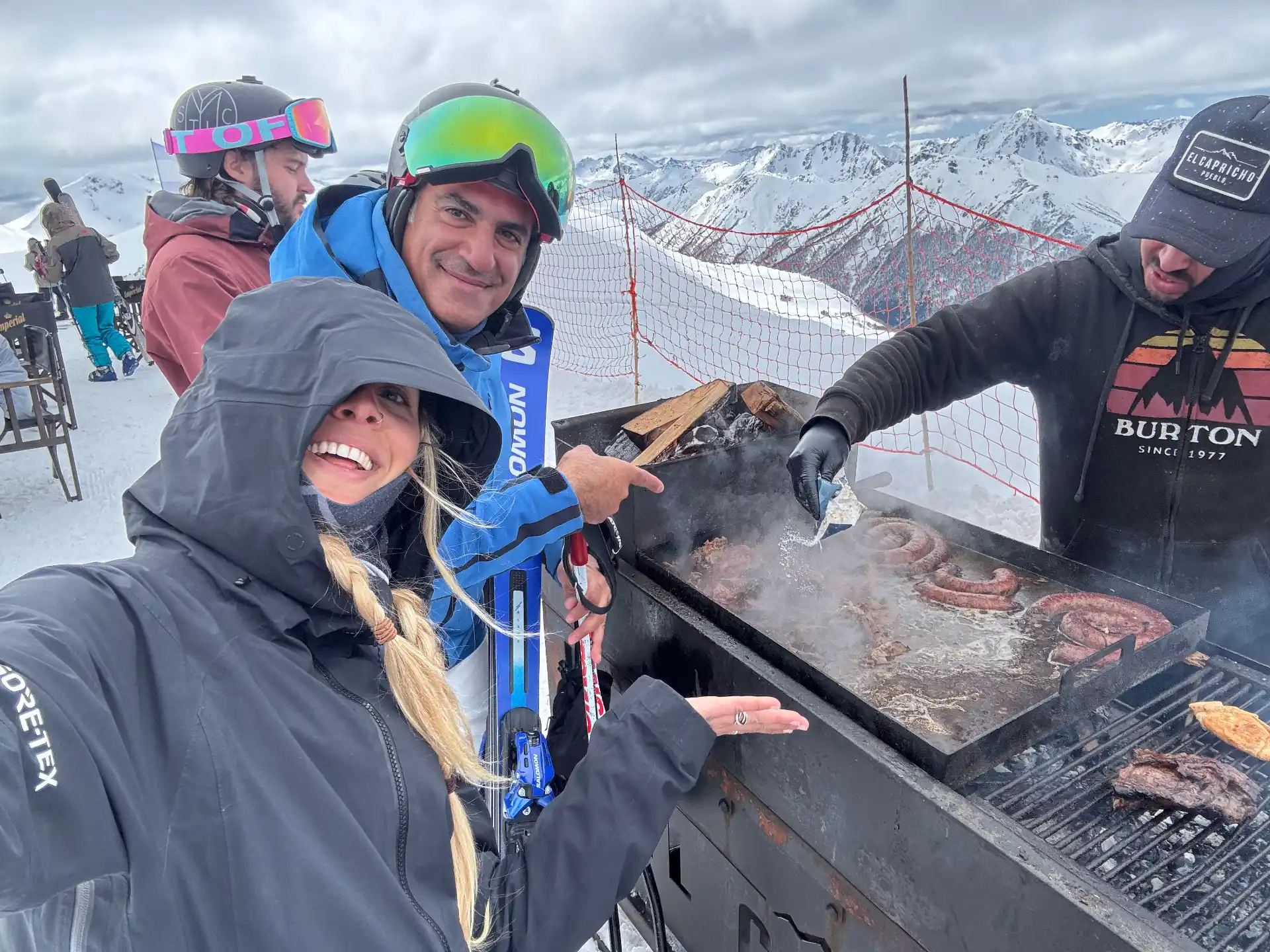
Food is not a side note in this part of the world; it is one of the reasons the trip works so well.
Argentina is the obvious example. Steak, Patagonian lamb, Malbec, Italian influence, long dinners, cafés, and Bariloche’s craft-beer scene give the evenings their own identity. The ski day may finish in the afternoon, but the social part of the trip often continues for many hours.
Chile brings different strengths, including excellent seafood, strong wine culture, and a far larger restaurant scene in Santiago than any mountain town could offer. A traveller who combines the resorts above Santiago with a few city days or visits to nearby wine regions can build a holiday that has almost nothing in common with a conventional ski week.
The point is not that Argentina or Chile has objectively better food than Europe or North America. The point is that eating and drinking are woven into the trip so naturally that the holiday feels complete even when the skiing is imperfect.
A Brief Advantage for Advanced Skiers and Snowboarders
For experienced skiers and snowboarders, South America can also be a cost-effective place to work on a very specific technical weakness or performance goal. Private instruction and guiding are often priced below comparable services in the Alps or major North American resorts, while the larger destinations usually have instructors and guides who can work in English.
This is not about learning basic parallel turns. An advanced skier may want to improve absorption and line discipline in moguls, refine short-radius turns on steep terrain, work on pressure control in variable snow, develop freeride line selection, improve race technique, or train for higher-performance objectives. Depending on the resort and season, there are also specialist race camps, high-performance programs, and training environments used by competitive athletes during the Northern Hemisphere summer.
Private coaching in English is normally possible with advance planning. Group programs are less predictable: Chile offers a better chance of finding English-language options, while in Argentina it is safer to assume that group instruction will be conducted in Spanish.
This is not the main reason most people travel south, but it is a useful opportunity for someone who already skis at a high level and wants to move from very good to slightly better rather than simply repeat the same habits for another season.
Backcountry and Touring Potential
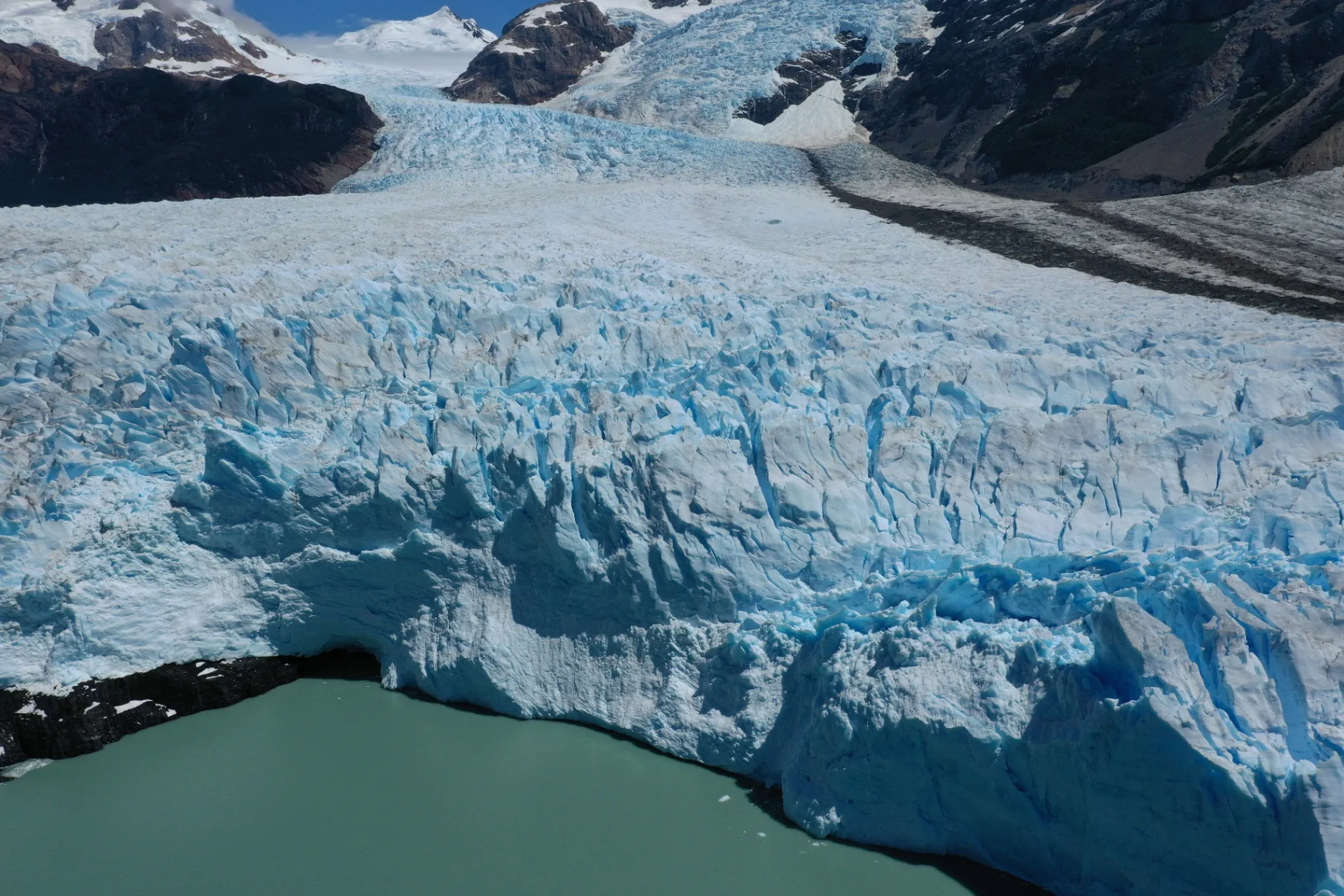
The terrain beyond the marked pistes is another reason experienced visitors take South America seriously.
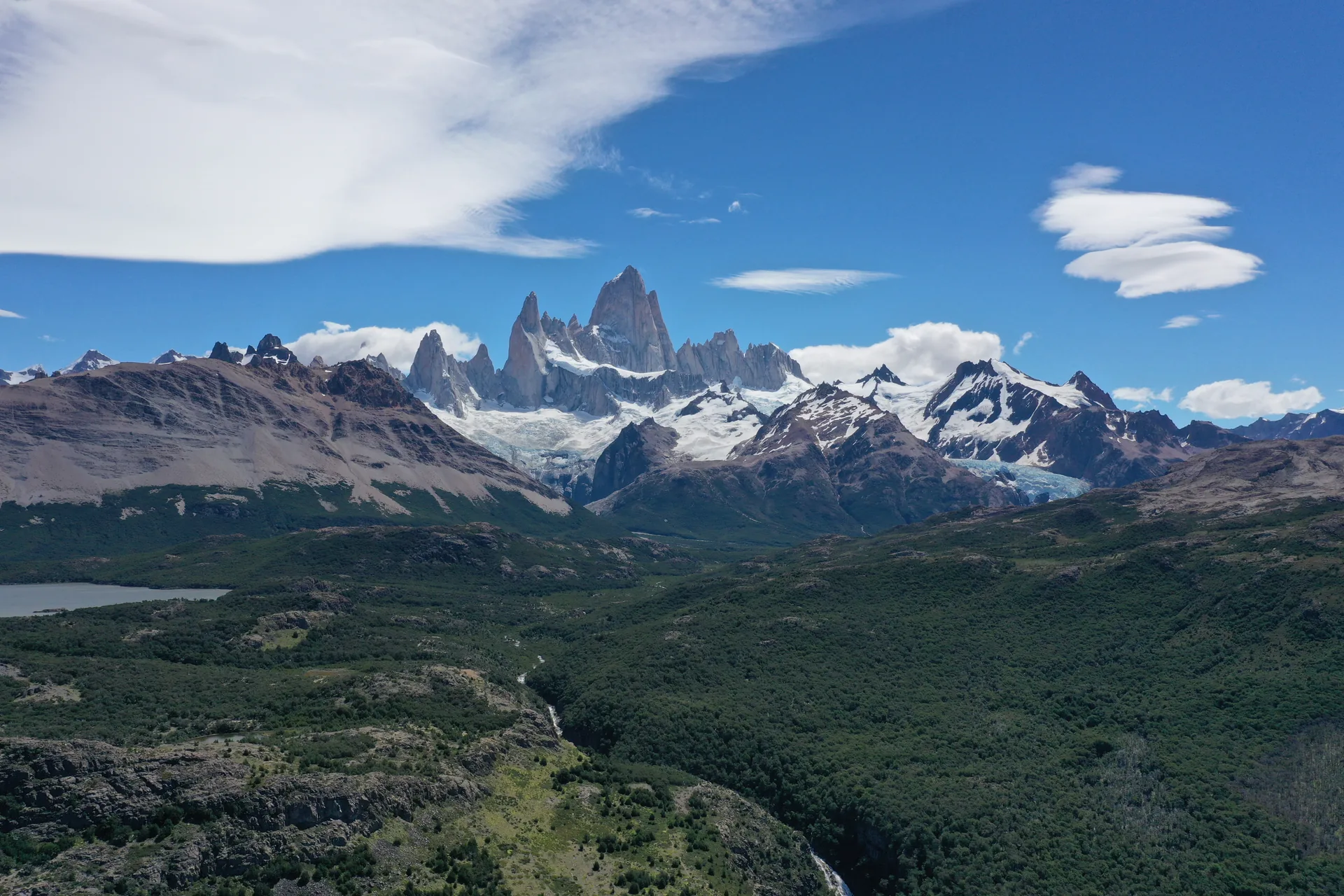
In Argentina, Refugio Frey near Bariloche is one of the best-known touring areas on the continent, with granite terrain and objectives that range from accessible tours to serious alpine lines. Las Leñas is famous for steep off-piste terrain and large backcountry possibilities when conditions, access, and lift operations align. El Chaltén offers a much more remote style of ski mountaineering for people whose ambitions extend well beyond a normal resort holiday.
Chile offers equally varied possibilities. The terrain above Valle Nevado, La Parva, and El Colorado provides sidecountry and touring access close to Santiago, while Cajón del Maipo, Nevados de Chillán, and the volcanoes farther south open the door to completely different styles of travel.
None of this terrain should be approached casually. Local snowpacks, wind patterns, access rules, and rescue logistics matter, and someone unfamiliar with the region should use a qualified local guide. The important point is that South America is not simply a collection of smaller lift-served resorts; the Andes surrounding them are enormous.
Is South America Cheap?
Not automatically.
Argentina is no longer the extraordinary bargain described in many older articles, and Chile has never been a consistently cheap ski destination. International flights can be expensive, domestic connections add cost, resort hotels in Chile may be priced at a premium, and lift tickets in both countries can surprise anyone relying on information from several seasons ago.
The calculation changes, however, when the ski trip is combined with a broader journey. Someone already visiting Buenos Aires, Patagonia, Santiago, or the Chilean wine regions is not paying for a separate holiday in the same way as someone flying across the world for six isolated ski days. Longer stays can also improve the economics through apartment rentals, season passes in parts of Chile, and the ability to choose where and when to ski.
South America is therefore better understood as a different form of value rather than a cheap alternative. You may not achieve the lowest cost per lift ride, but you may come home with a much richer trip.
Who May Decide It Is Not Worth It?
Someone who skis only once a year, has less than a week, dislikes complicated travel, and judges a destination mainly by lift speed and skiable kilometres may reasonably decide that South America is not the best use of time or money.
The journey from Europe or North America is long. Argentina often requires an additional domestic flight, and destinations such as Las Leñas add a lengthy road transfer after arrival in Mendoza. Weather can interrupt carefully planned days, and older lifts may make the resort feel small to someone accustomed to Les 3 Vallées, Paradiski, or another large Alpine network.
There is nothing wrong with choosing a destination that offers easier access and more predictable infrastructure, especially when the holiday is short and important.
Who Will Probably Love It?
South America makes far more sense for travellers who see skiing as part of travel rather than a separate activity.
It suits people who enjoy discovering a different mountain culture, who are comfortable allowing weather to influence the itinerary, and who care about food, scenery, cities, and conversations as much as lift statistics. It is particularly attractive to people who ski regularly in the Northern Hemisphere and want to extend the season without repeating the same type of destination.
It also works extremely well as part of a longer South American trip. If you are already visiting Argentina or Chile, adding several ski days can transform the journey without requiring the entire holiday to depend on snow conditions.
My Honest Recommendation
If this is your only ski trip of the year and you have just one week, I would compare the total travel time very carefully before committing. South America may still be right, especially if the cultural side of the trip matters to you, but it is not automatically the most efficient choice.
If you ski several times each year, want to experience the Andes, or are already travelling in the region, I would recommend it without much hesitation. The imperfections become easier to accept because the trip offers something that cannot be measured by lift capacity alone.
Do not come expecting Europe’s largest linked ski areas or Japan’s most reliable powder rhythm. Come because skiing in August feels strange and exciting, because sunrise over Bariloche can stop you for a moment, because a slow chairlift may introduce you to the person you end up having dinner with, and because the mountains are surrounded by places worth visiting even when the snow does not cooperate.
Final Thoughts
After several seasons skiing in South America, I no longer ask whether it is worth it in general. The better question is whether it is worth it for the particular trip you are planning.
For efficiency, scale, and the fastest possible access to enormous lift networks, there are stronger options elsewhere. For a journey that combines skiing and snowboarding with culture, food, striking landscapes, friendly mountain communities, and the experience of winter in the middle of the Northern Hemisphere summer, South America belongs in the conversation.
The lifts may be slower, storm recovery may test your patience, and the roads may occasionally make you question every planning decision you made. Even so, I keep returning because the Andes remind me that skiing has never been only about skiing.
It is also about the people you meet, the places you discover, the meals that last longer than expected, and the stories that remain after the snow has disappeared. In that respect, Argentina and Chile have given me some of my favourite ski memories anywhere in the world.
The next decision is not whether South America is good enough. It is where in South America you should ski, whether Argentina or Chile better suits your trip, and how to plan the details well enough that the destination’s compromises do not get in the way of everything it does brilliantly.
Frequently Asked Questions
Is South America really worth flying all the way down for?
For a Northern Hemisphere skier who cannot let go of winter, yes — it is the only serious ski destination in July and August that is not a glacier. You are on a real mountain, with a real snowpack, in the Andes. That alone is worth the flight.
Are the resorts as good as the Alps or North America?
Different, not lesser. The lift infrastructure is a generation behind, but the terrain, the culture, and the emptiness of the mountains more than make up for it. If you need six-person heated bubbles everywhere, this is not for you. If you want an experience, it is.
Is it too expensive for what you get?
It depends heavily on the exchange rate and where you go. Argentina in a soft peso year is one of the best value ski trips on the planet. Chile is more predictable, more mid-range European in price. I would not call either overpriced for what you get.
What if there is no snow when I go?
It happens. Every year is different. That is exactly why I plan around real conditions instead of a rigid calendar — I move dates and resorts based on what the mountains are actually doing. The best time to ski article breaks down each month.
Would you recommend it for a family with kids?
Yes, but I would send you to Chile — Valle Nevado or La Parva. Short transfer from Santiago, kids ski school in English, and predictable groomed terrain. Argentina is doable with kids but the logistics are longer.
Author
Khosro Ronagh (Cogo)
Founder of YourSnowPlanner. 150 to 200 ski days a year across the world including Argentina, Chile, the Alps, Japan, Alaska and major ranges. Personal planning for skiers heading to South America.
About Cogo →