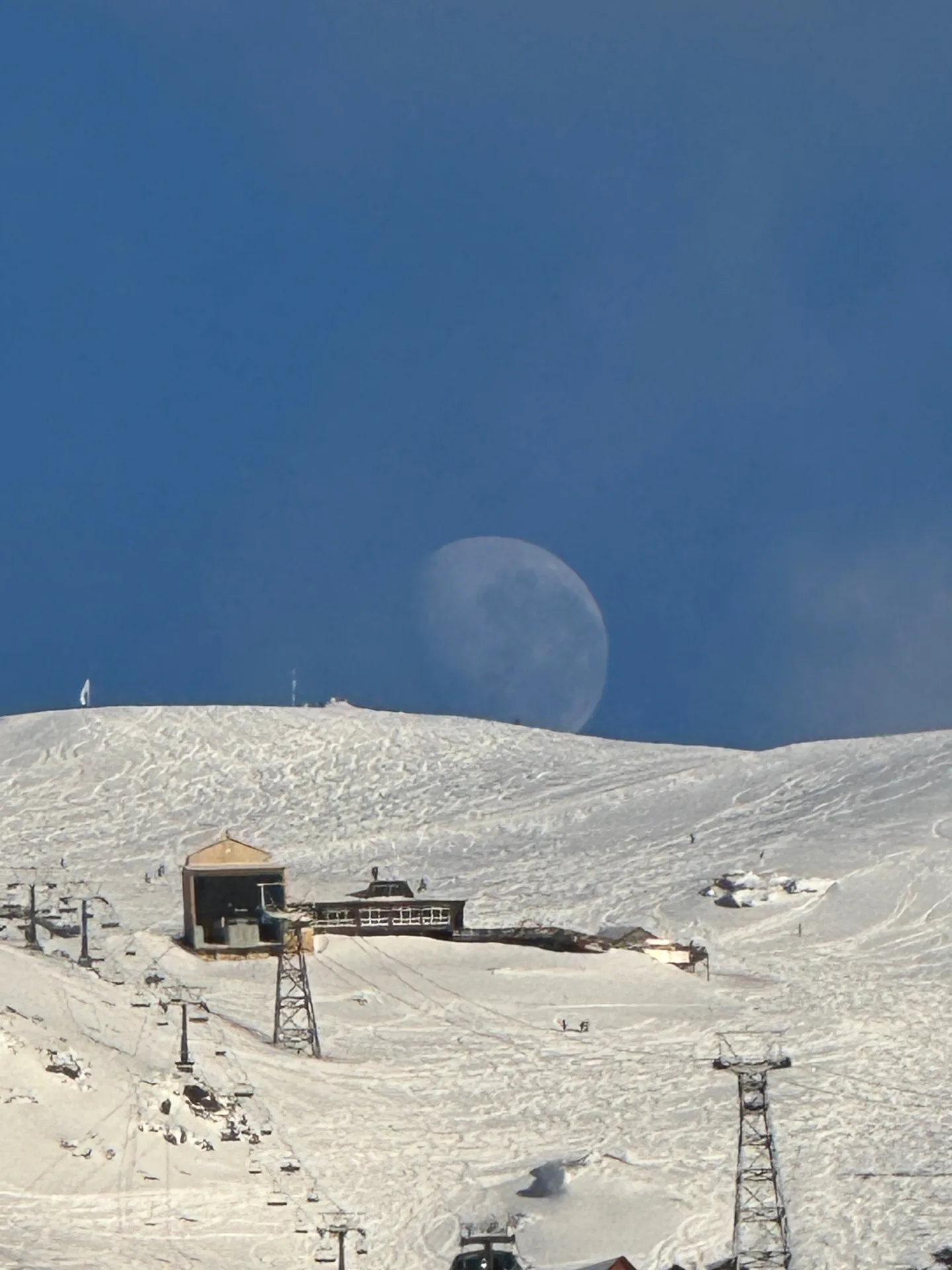
Cerro Catedral
South America's biggest resort, and the rare ski destination that's also a real city.
- Vertical
- 1,150 m
- Summit
- 2,180 m
- Season
- Jun, Oct
- Country
- Argentina
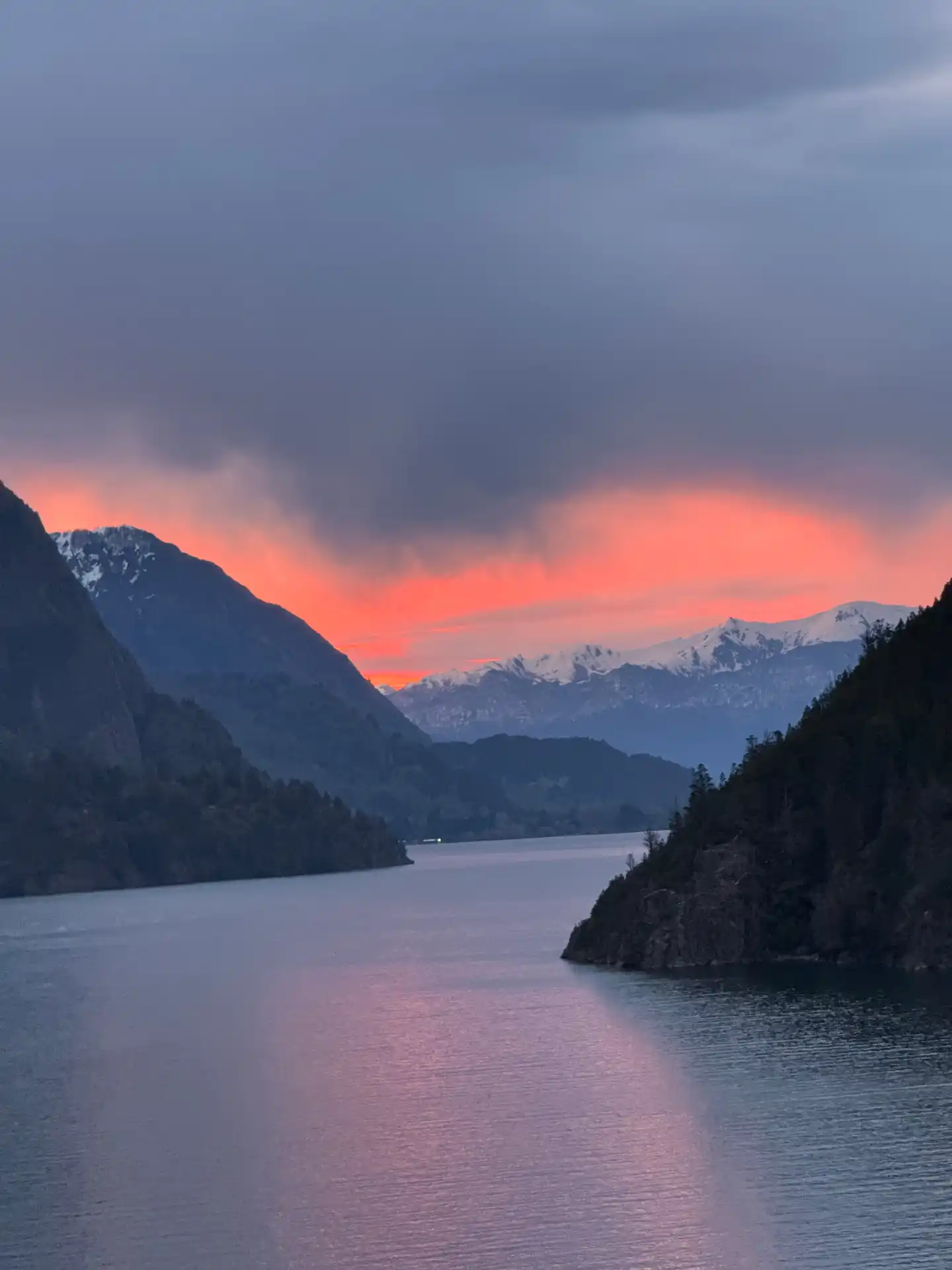
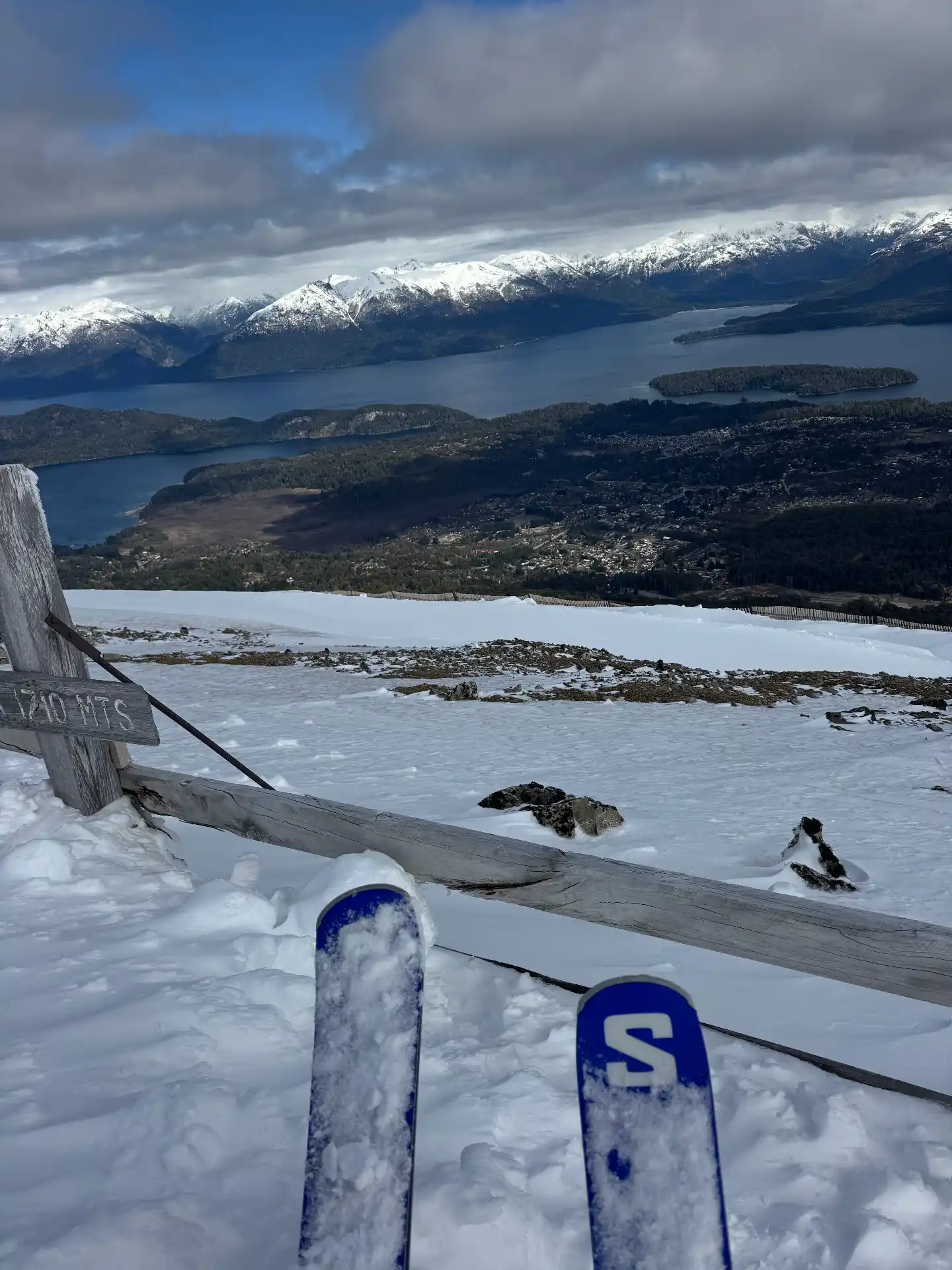
Cerro Catedral sits above Bariloche on Lake Nahuel Huapi and is the largest ski area in South America by terrain. The numbers tell one story, 600+ hectares, 1,150 m of vertical, but what defines a trip here is the city below it. Bariloche is the only South American ski hub where you can ski hard all day, walk into a real restaurant scene at night, and never feel like you're at a resort. For strong intermediates through experts, the combination is rare.
- Largest skiable terrain in South America
- Real city base with serious food, beer and nightlife
- Steep lift-served terrain in La Laguna and Nubes when wind allows
- Direct flights from Buenos Aires, ~2h 20m
After five seasons here.
After five seasons of returning to Catedral, what surprises me isn't the size, it's how different the mountain feels depending on aspect, weather and which lift you ride first. Most international visitors only see a fraction of it and leave thinking they've skied it. They haven't.
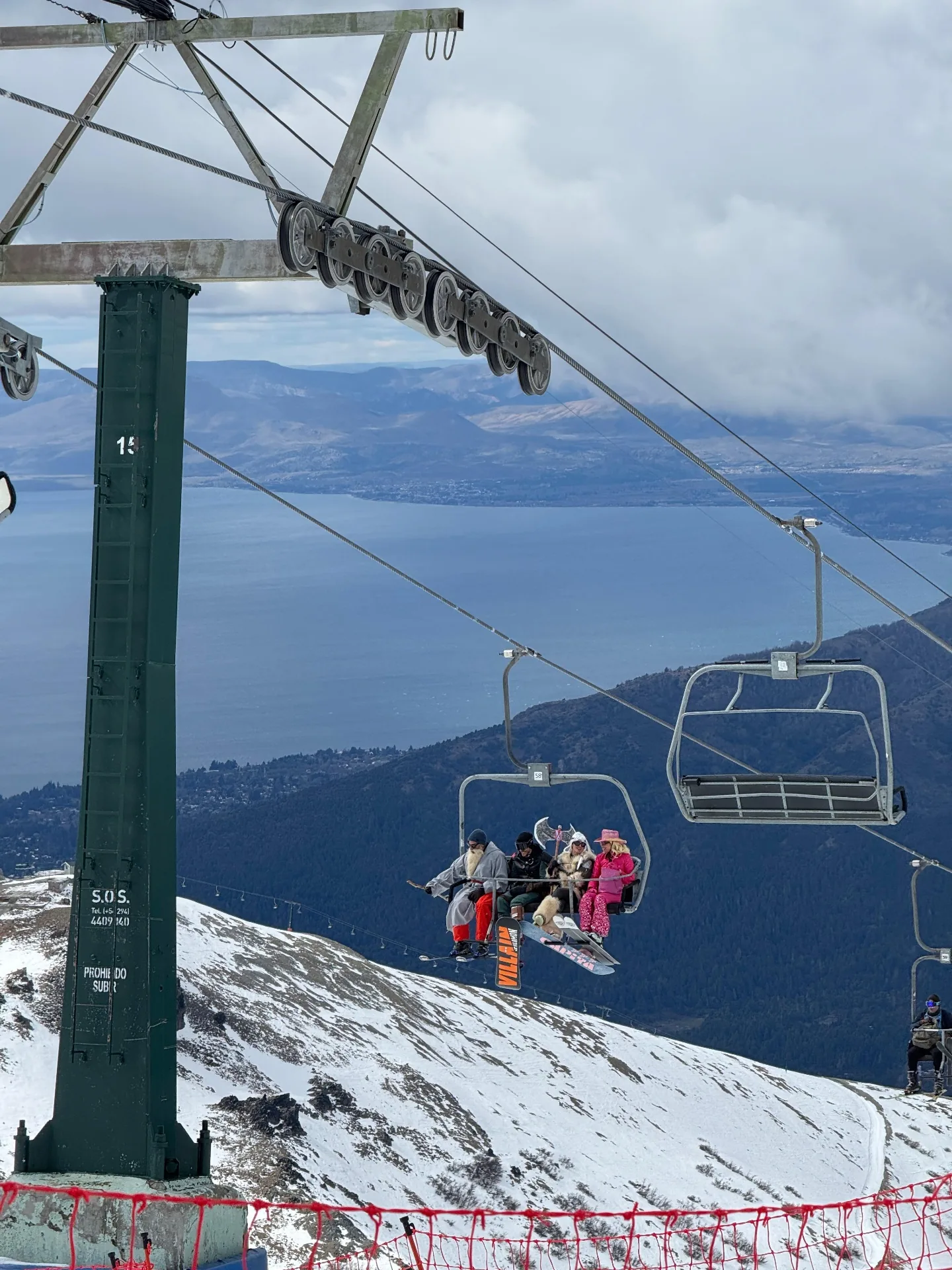
On the chairlift above Bariloche, Patagonia spreading out below.
- +Strong intermediates and advanced skiers and snowboarders who want variety more than scale-on-paper
- +Travellers who refuse to give up a real city for a ski trip
- +Touring-minded riders who want lift-served access plus sidecountry options
- +Mixed groups, not everyone has to ski hard every day
- ,First-time skiers and snowboarders, you've come too far for a learning week
- ,Anyone expecting guaranteed dry powder; mid-season rain at base is part of the deal
- ,Travellers who want polished ski-in/ski-out luxury and silence at night
Skiers, snowboarders, and mountain-oriented travellers see this place differently.
Long fall-line groomers, real steeps off La Laguna and Nubes when they open, and enough variety that strong intermediates can ski five days without repeating themselves.
Catedral rewards riders who read terrain. The bowls above 1,800 m hold the best snow; the lower mountain flattens out, so plan your laps around the upper chairs rather than running top-to-bottom every time.
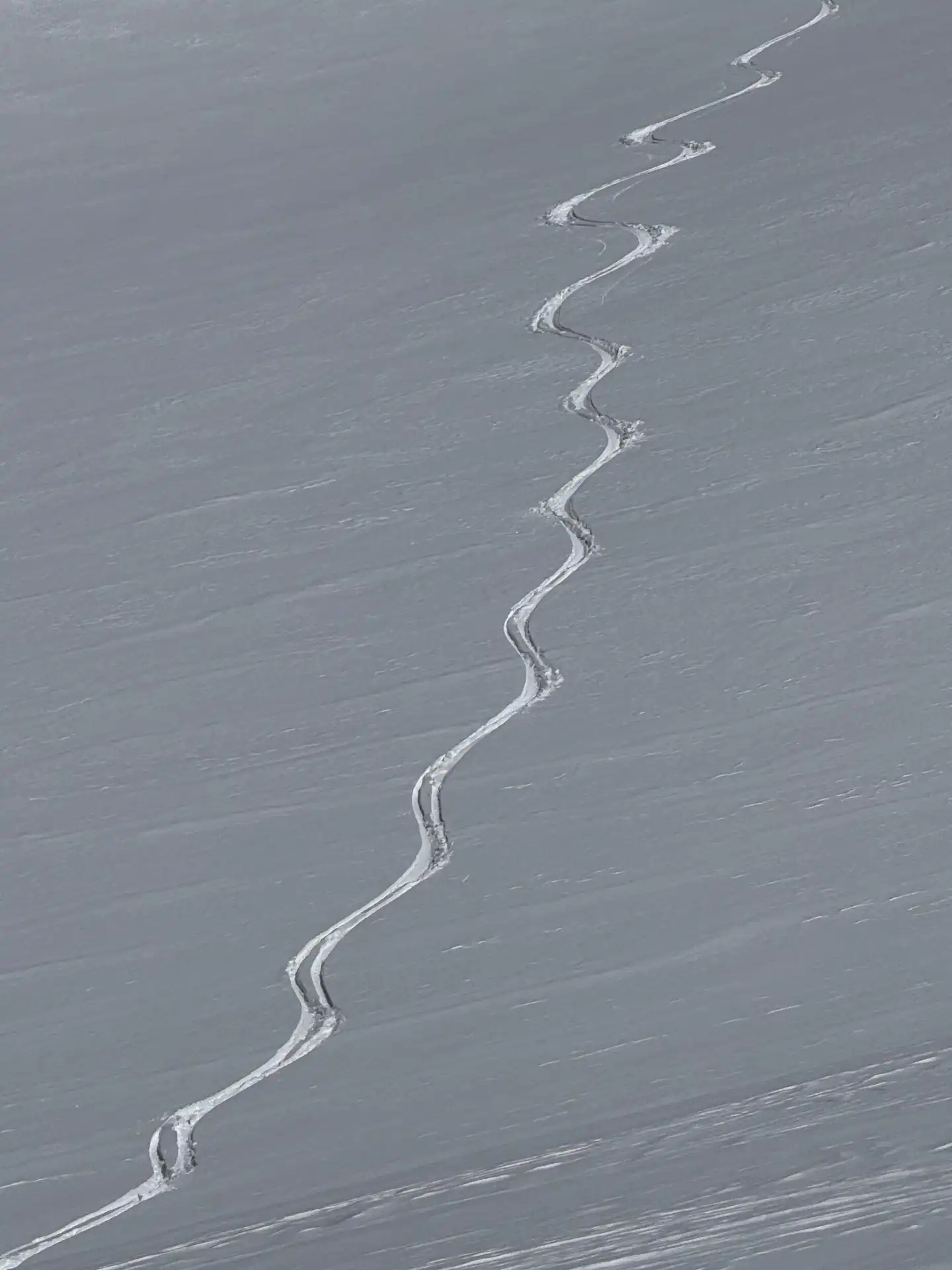
Easy sidecountry access from the upper lifts on stable days, and a serious local touring scene around Refugio Frey and the Catedral spires. Hire a local guide for day one, the granite changes everything about how you read aspect.
South America ski trips rarely involve just one resort.
If Catedral feels too big or too loud, Chapelco is the calmer, more refined Patagonian version, and the Seven Lakes drive between them is one of the best in the Andes.
→ Read moreMost travellers staying in Bariloche should look at Cerro Bayo too. Day trip from town, very different feel, and it earns its place on a Patagonia road trip.
→ Read moreIf the terrain at Catedral feels tame, Las Leñas is where Argentina hides its expert skiing. Very different trip, no city, weather-gated.
→ Read moreWhat I see people get wrong.
- 01Booking three ski days. One storm cycle and you've lost a third of your trip.
- 02Skiing only the front side. Most of the interesting terrain is off the upper chairs on the back.
- 03Arriving during Argentine school holidays (mid-July) without expecting the crowds.
- 04Staying at the base 'because it's slopeside' and missing what Bariloche town actually offers.
Six or seven nights in Bariloche, not at the base. I'd stay along Av. Bustillo between Km 8 and Km 25 for lake access and quieter mornings, take a guide on day one to learn the mountain quickly, and build in one non-ski day for the Circuito Chico. If snow looks unstable, I'd push at least one day to Cerro Bayo to see how a smaller mountain handles the same storm cycle.
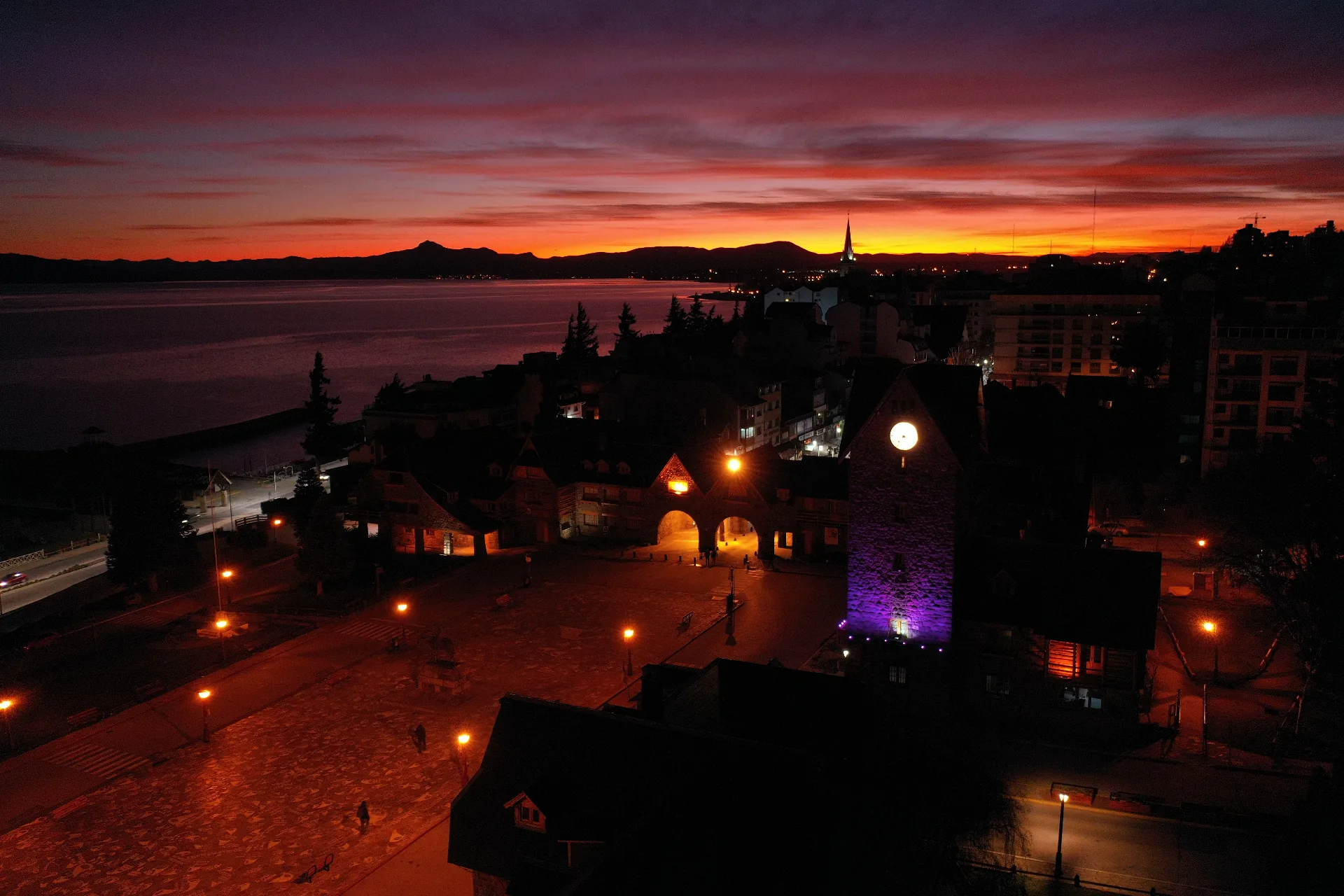
Bariloche after the lifts close, parrilla, craft beer, chocolate.
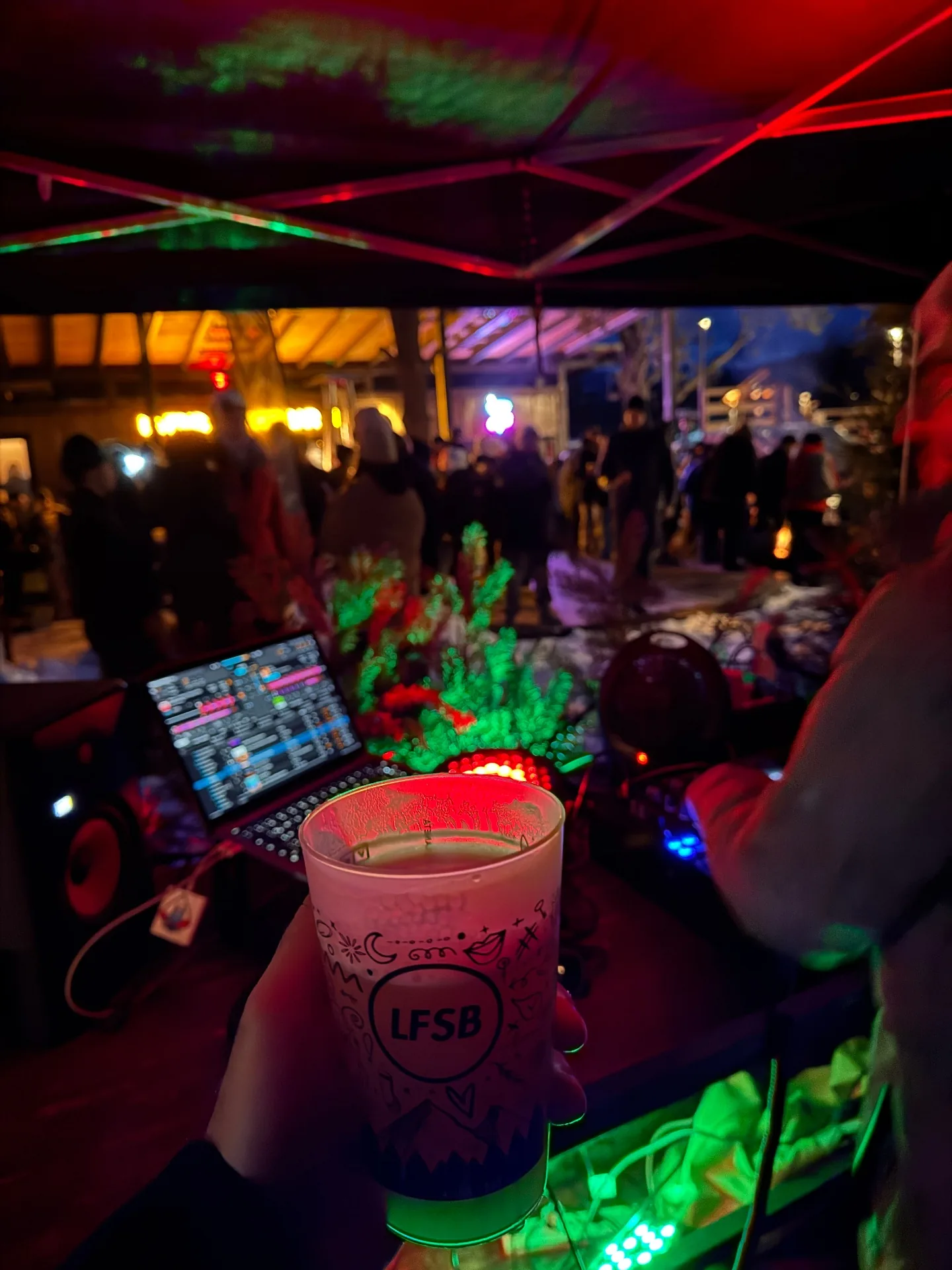
The only South American ski hub with a real nightlife scene.
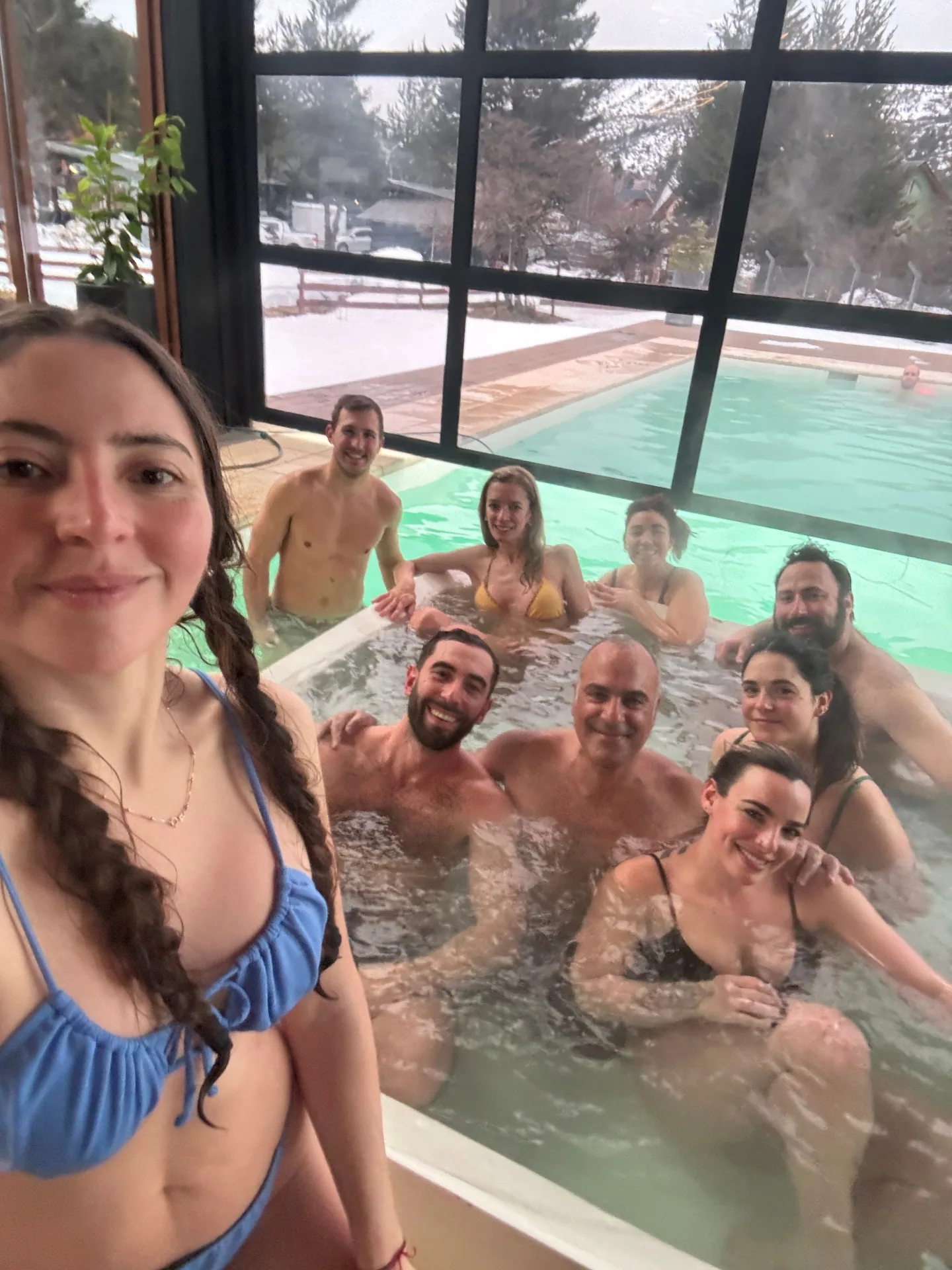
Lakefront hotel pool, recovery after a long day on the mountain.
Everything you need to decide if this resort fits your trip.
Fly into Bariloche (BRC), direct from Buenos Aires (AEP/EZE), ~2h 20m. Private transfers and shared shuttles are easy to pre-arrange.
Central Bariloche puts you in walking distance of the restaurant scene and shuttle pickups. Best for solo travellers, friend groups, and anyone who wants evenings off the mountain.
Av. Bustillo Km 8 to 25 corridor, Playa Bonita through Llao Llao. Better mornings, easier storm-day pivots, requires a car or planned transfers.
Only if first-chair access matters more than everything else. You'll trade dining variety, town energy and price for ski-in/ski-out, and the shuttle into town is short anyway.
Yes if you want the lakes district, Cerro Bayo as a day trip, or flexibility on storm days. Skip it if you'll only ski Catedral and eat in town.
Storms often arrive wet at base and dry above 1,800 m. On clearings, get up early to the upper bowls; La Laguna and Nubes open progressively as patrol clears them.
Patagonian storms are real weather. Plan for 1 in 5 days lost to wind or rain at base, and book your trip long enough to absorb that.
Solid shops in town and at the base, demo skis and boards available, reserve ahead for mid-July. If you ride something specific (race skis, splitboards, AT setups), bring it.
English-speaking instructors are easy to find. A half-day private guide on day one is the single highest-return decision you can make.
Argentina's strongest mountain food scene, parrilla, trout, lamb, fondue, and a craft beer culture that punches above its weight. Book weekend dinners in advance.
Day and multi-day tickets at the window. Ikon Pass typically includes Catedral as a partner, confirm allotment by season.
Strong for families with school-age skiers. Ski school is well-organised and town has non-ski options when energy drops.
Easiest South American ski hub for solos. Hostels, group lessons, social bars, and the town is safe to walk at night.
Booking only 3 ski days, ignoring Argentine school holidays in July, and underestimating town transfer times when it snows.
When you want one base with everything, terrain, town, food, scenery, and you can absorb a weather day or two without ruining the trip.
Let's build the itinerary.
Tell us when you can travel and what you ride. We'll design a Cerro Catedral trip around the conditions.