When Is the Best Time to Ski in South America? A Month-by-Month Guide Based on Real Experience
Planning a ski trip to South America is not like choosing a week in the Alps, Canada, or Japan.
In the Andes, the question is not simply, “Which month has the best snow?” The better question is: which month gives you the best balance of snow, crowds, weather risk, resort operations, and the type of trip you actually want?
After spending the last five winters skiing in Argentina and Chile, my honest answer is that there is no perfect week that works every year. Some seasons start early. Some take longer to wake up. Some Septembers feel like spring. Others deliver powder days that make you forget the season is supposed to be ending.
That is why this guide is not just a simple “June to September” calendar. I want to explain how the South American ski season actually behaves, why some weeks are busier than others, how Argentina and Chile differ, and why I personally think the first half of September is one of the most underrated times to ski in South America.
If you are still choosing where to ski, start with our broader guide to Where to Ski and Snowboard in South America, because the best time to visit depends heavily on whether you are heading to Bariloche, Santiago, Las Leñas, Ushuaia, or southern Chile.
Is There Really a Best Time to Ski in South America?
If someone asks me, “What is the best time to ski in South America?” my answer is always the same:
It depends on the season.
That might sound like I am avoiding the question, but it is the most honest answer I can give. Skiing in the Andes is heavily influenced by Pacific storms, changing temperatures, wind, elevation, and local resort operations. One winter can start weeks earlier than expected. Another can take until July to really get going.
That is exactly why you will find so many contradictory opinions online.
One person visits during an incredible early-season powder week and tells everyone June is amazing. Someone else arrives during a warm spell, finds icy slopes, and says August is overrated. Both can be right, because they may have experienced completely different versions of the same mountain.
Instead of telling you that one month is always better than another, I prefer to explain how the season normally evolves, what influences snow conditions, when crowds arrive, and what I personally look for when planning my own trips.
By the end of this guide, you should have a much better understanding of how to choose the right dates for your own South America ski trip, whether you are heading to Argentina, Chile, or both.
South America’s Ski Season at a Glance
Although every winter is different, the ski season in Argentina and Chile generally follows this pattern:
- June: Early season. Conditions depend heavily on how the winter starts. - July: Most major resorts are operating, with improving snow coverage. - August: Traditionally the busiest part of the season, with reliable snow at most destinations. - September: Often excellent snow, fewer crowds, and one of my favourite times to ski.
Some resorts may open earlier during exceptional winters, while others delay their opening if snowfall is insufficient. Likewise, some seasons finish in late September, while others continue into October depending on snow conditions, resort operations, traffic, and commercial decisions.
The important point is this: do not treat opening and closing dates as guarantees. A resort can be technically open with limited terrain, or technically closed while the mountain still has enough snow for ski touring. The calendar tells you one thing. The mountain often tells you something else.
June: Early Season, Great Years and Slow Starts
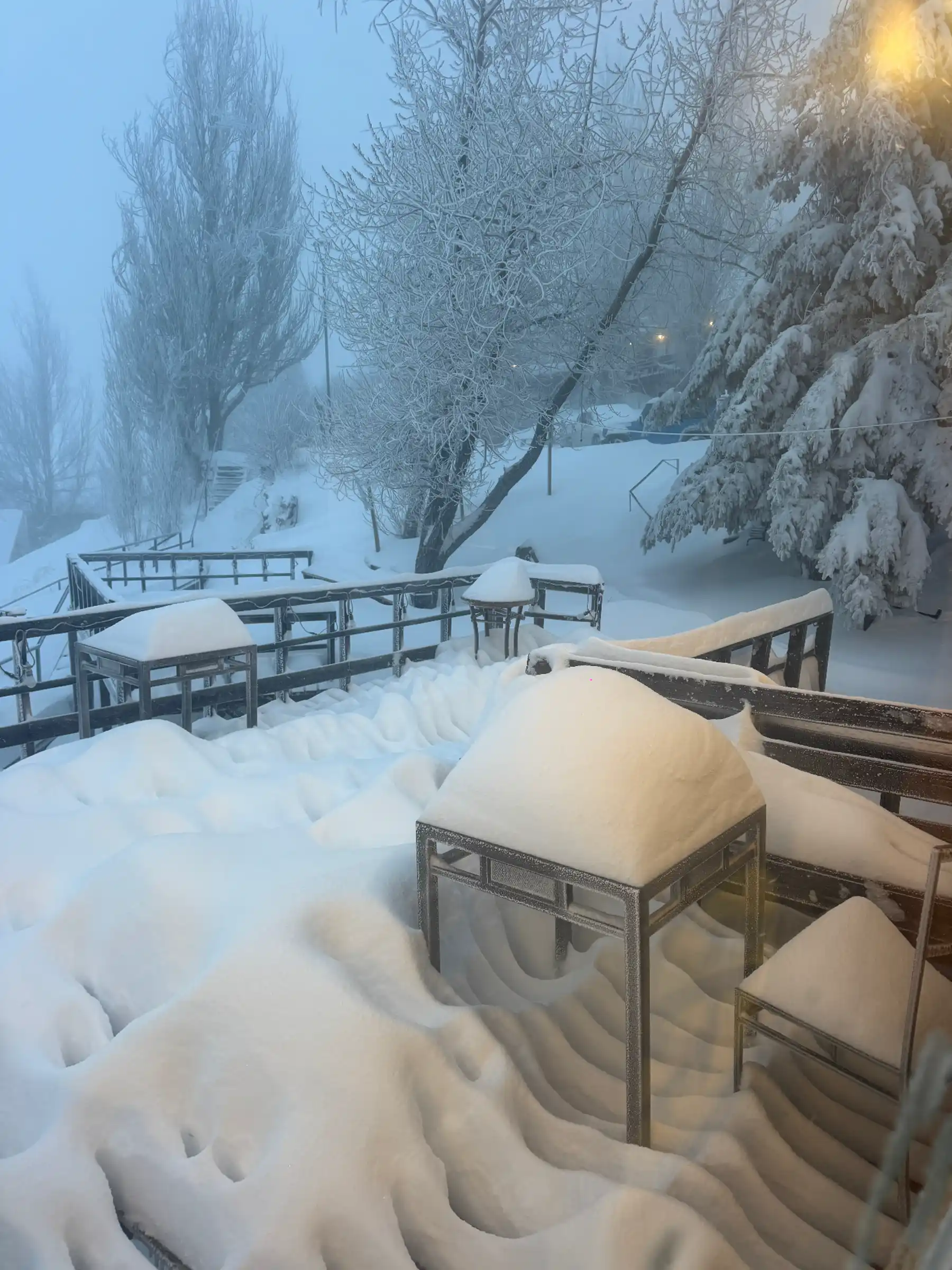
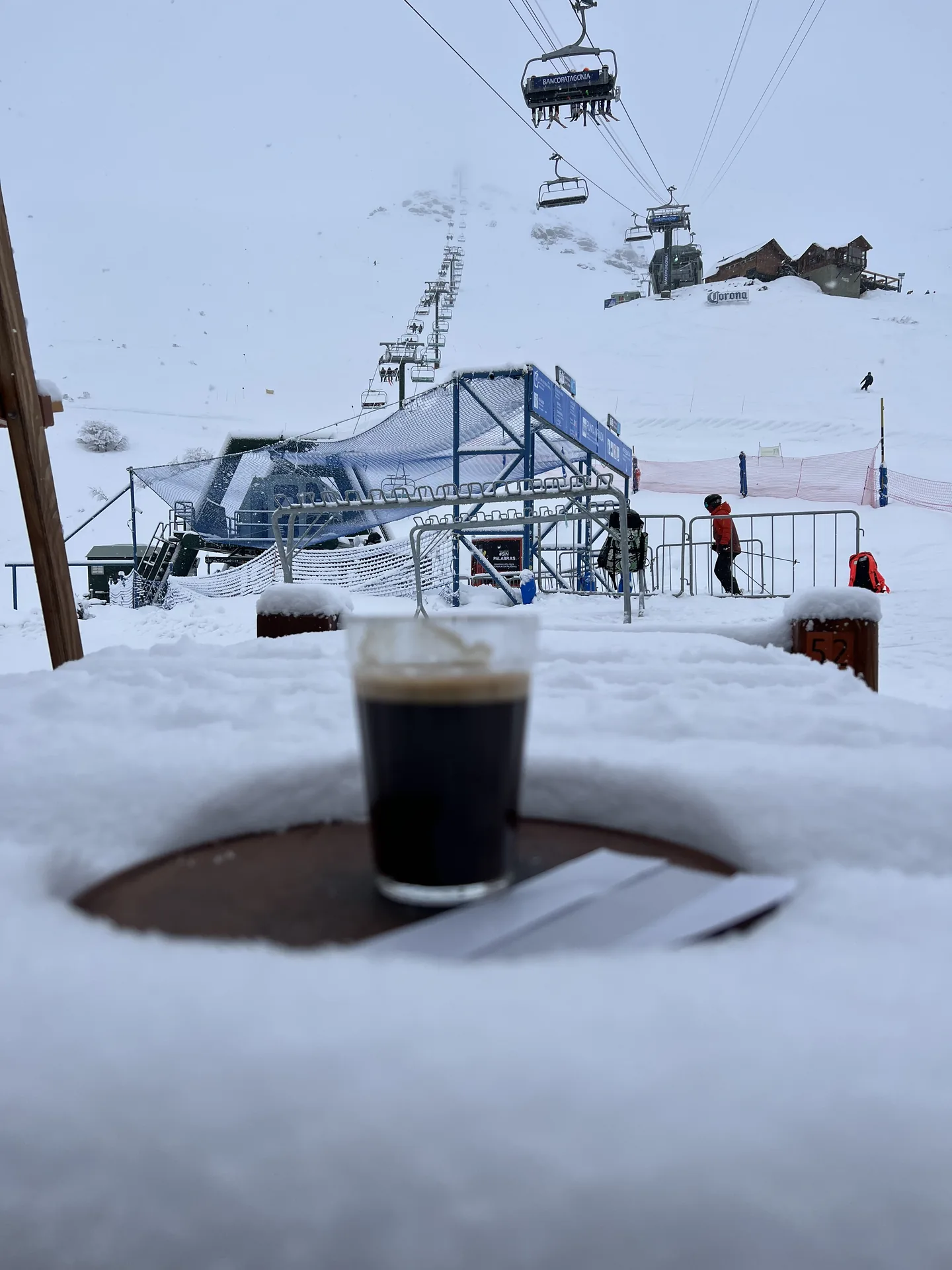
June is probably the hardest month to judge.
It can be absolutely fantastic. It can also be disappointing. That is simply how early-season skiing works in the Andes.
One of the best examples was 2024 in Bariloche. By early May, the mountains already had enough snow for ski touring. Long before the official lifts started spinning, people were hiking for turns in conditions that felt much more like mid-winter than autumn.
Cerro Catedral officially opened on 7 June 2024, significantly earlier than many people expected. That was not a normal season. It was a very good season, and it is exactly the kind of year that makes people fall in love with skiing in Patagonia.
But you cannot build every trip around an exceptional year.
In a more normal season, Cerro Catedral often becomes a reliable ski option closer to late June or early July. Some winters begin slowly, with limited terrain open while resorts wait for more snow. Other winters arrive early and produce some of the best skiing of the year before many international visitors have even booked their flights.
That is why I usually tell people not to book June expecting guaranteed mid-season conditions. If you enjoy chasing early snow, have flexible travel dates, or do not mind taking some weather risk, June can be incredibly rewarding. If certainty is your priority, waiting a few weeks often gives you a safer bet.
July: Reliable Snow and Growing Crowds
By July, most major South American ski resorts are operating much closer to their normal winter rhythm.
Coverage is usually better than in June, more terrain is open, and the season feels more established. For many visitors, July offers a good balance between snow reliability and the feeling of being in the heart of winter.
However, July is also when the mountains begin to get noticeably busier.
People often assume weekends are the main reason for lift lines, but that is only part of the story. In Argentina, many visitors travelling to destinations such as Bariloche, San Martín de los Andes, or Villa La Angostura are coming from cities like Buenos Aires, Córdoba, and Rosario. They are usually not driving up for a quick Saturday and Sunday. They are taking flights, booking accommodation, and staying for a full week.
That creates a different crowd pattern from what many skiers know in North America or Europe.
In Bariloche, for example, it is very common to see Saturday check-ins and Saturday check-outs across hotels, hostels, apartments, and holiday rentals. Many Argentine ski holidays are built around that weekly rhythm. Because of that, the difference between a Wednesday and a Saturday is often smaller than first-time visitors expect.
Yes, weekends still bring more local skiers, especially people who live in or near Bariloche and work during the week. But you do not always see the dramatic weekday-versus-weekend contrast that exists at resorts where most visitors are day-trippers.
August: Peak Season
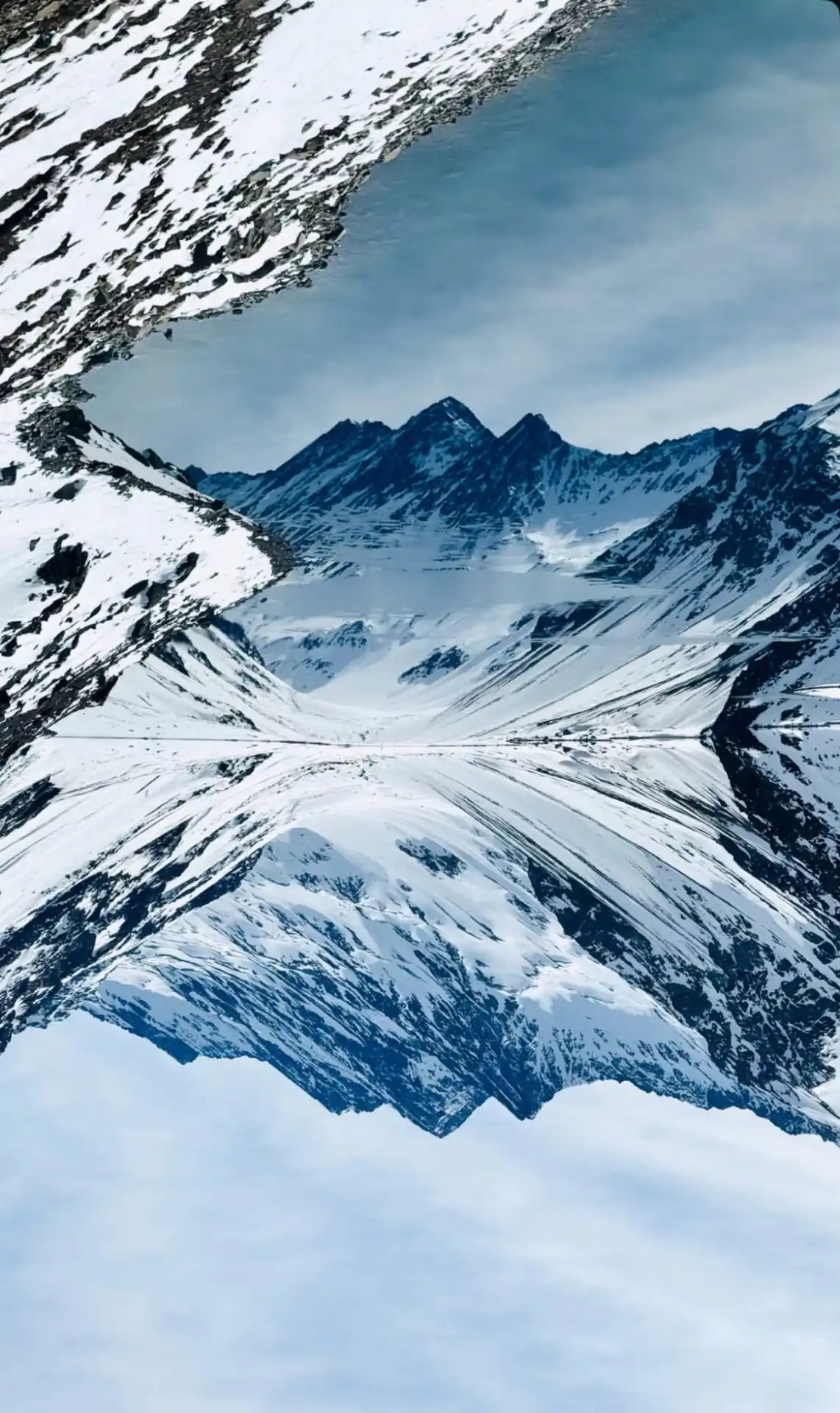
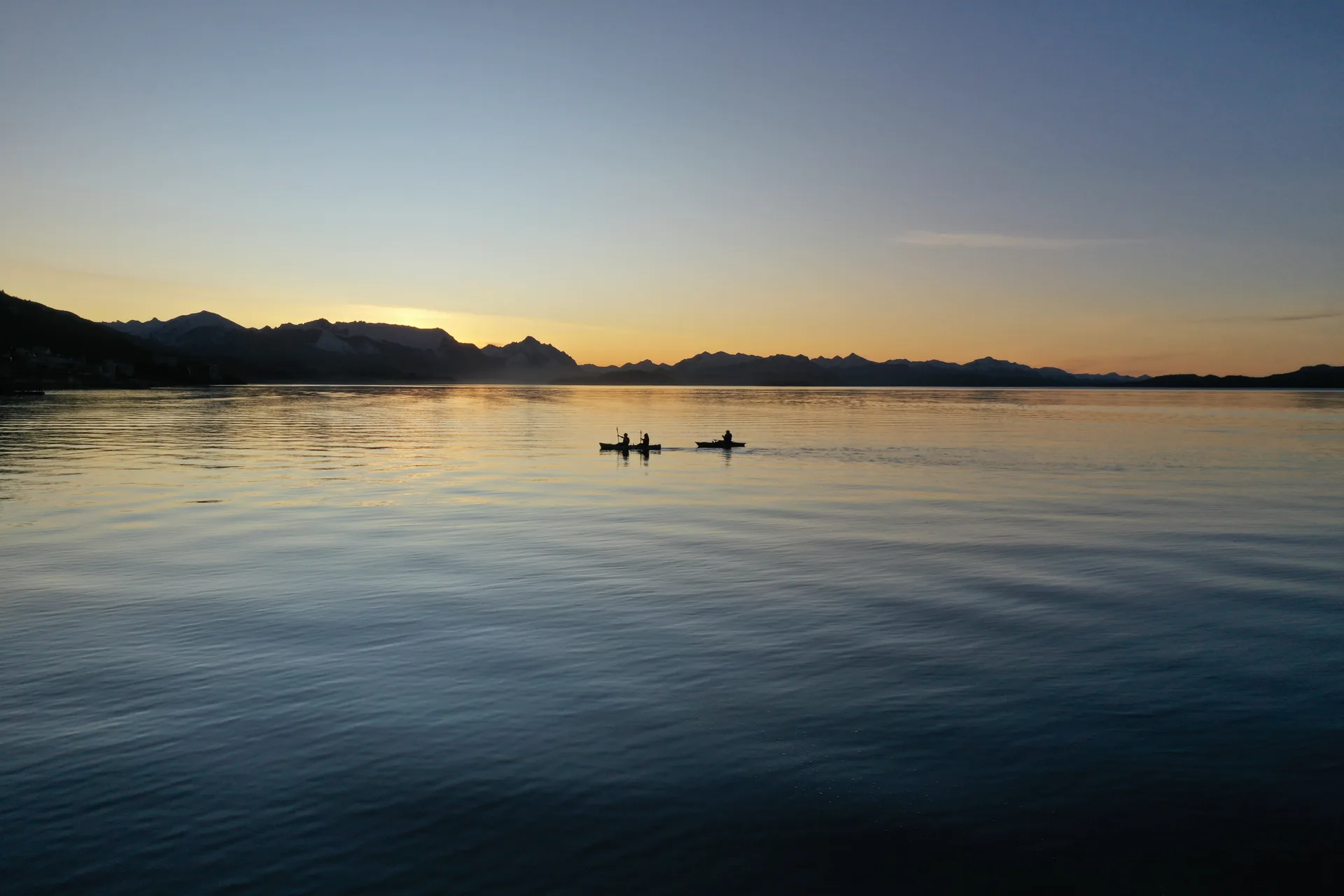
If you are looking for the busiest period of the South American winter, it is usually the first half of August.
This is not random. It is largely driven by winter school holidays across Argentina, especially major population centres such as Buenos Aires Province, the City of Buenos Aires, Córdoba, and Santa Fe, together with holiday travel from neighbouring countries.
Understanding why the mountain is busy matters more than simply knowing that it is busy.
Families are not arriving only for a long weekend. Many are spending an entire week in the mountains, which creates consistent demand throughout the holiday period. That means lift lines, accommodation pressure, ski school demand, rental demand, restaurant bookings, and traffic can all feel heavier at the same time.
If you are skiing Cerro Catedral during these weeks, you will probably notice longer queues at the most popular lifts. One practical detail many first-time visitors do not know is that Catedral has offered different lift pass options, including priority access products that allow faster access on eligible lifts.
Yes, money can literally buy you time on busy days.
Whether that is worth the extra cost depends on your budget, your skiing style, and how much you care about skiing more runs instead of standing in queues. For some people, it is unnecessary. For others, especially during peak holiday weeks, it can change the day.
Outside the busiest holiday period, the atmosphere changes noticeably. The mountains become calmer, accommodation is often easier to find, and the overall experience feels more relaxed.
September: My Favourite Time to Ski
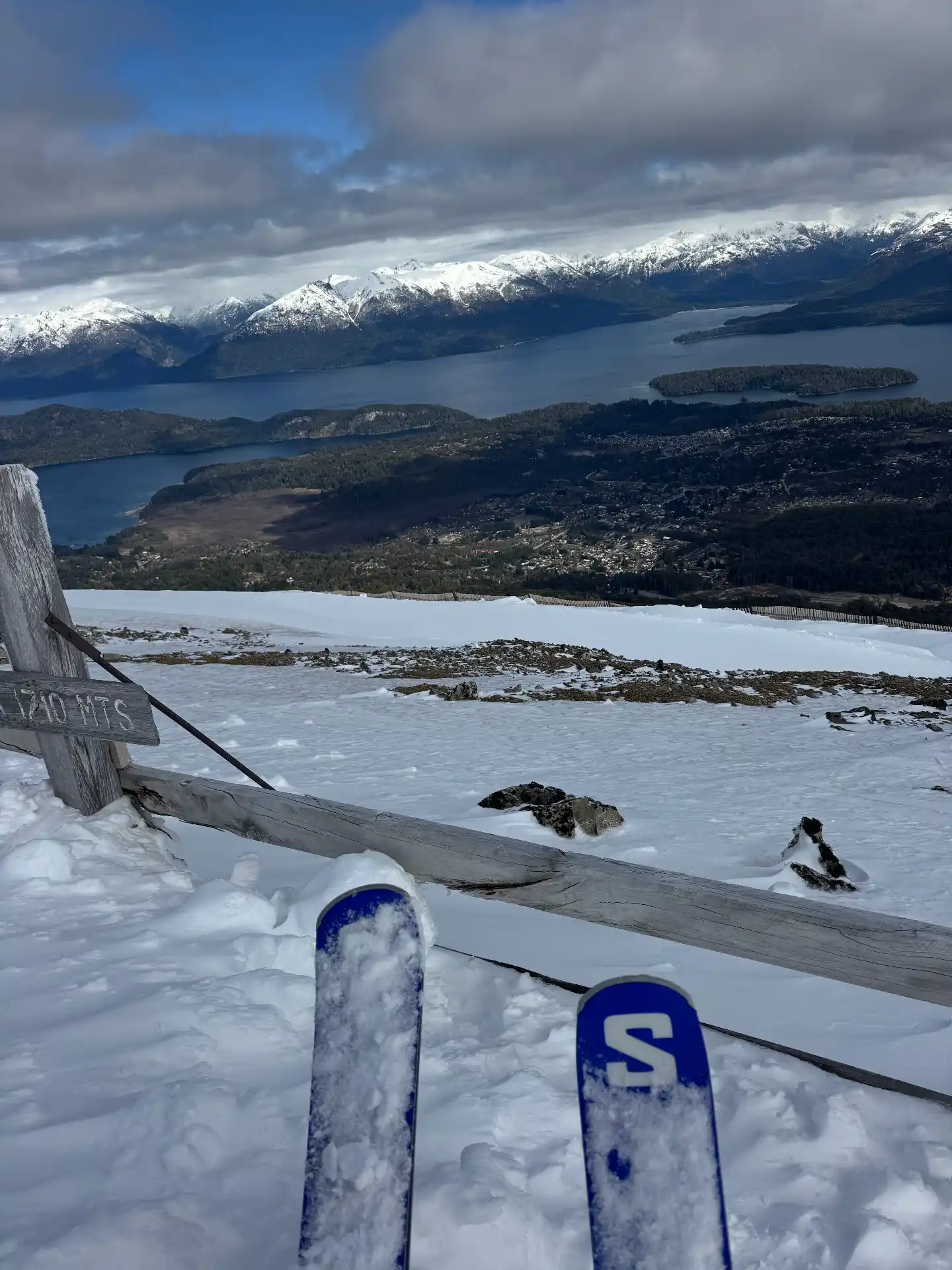
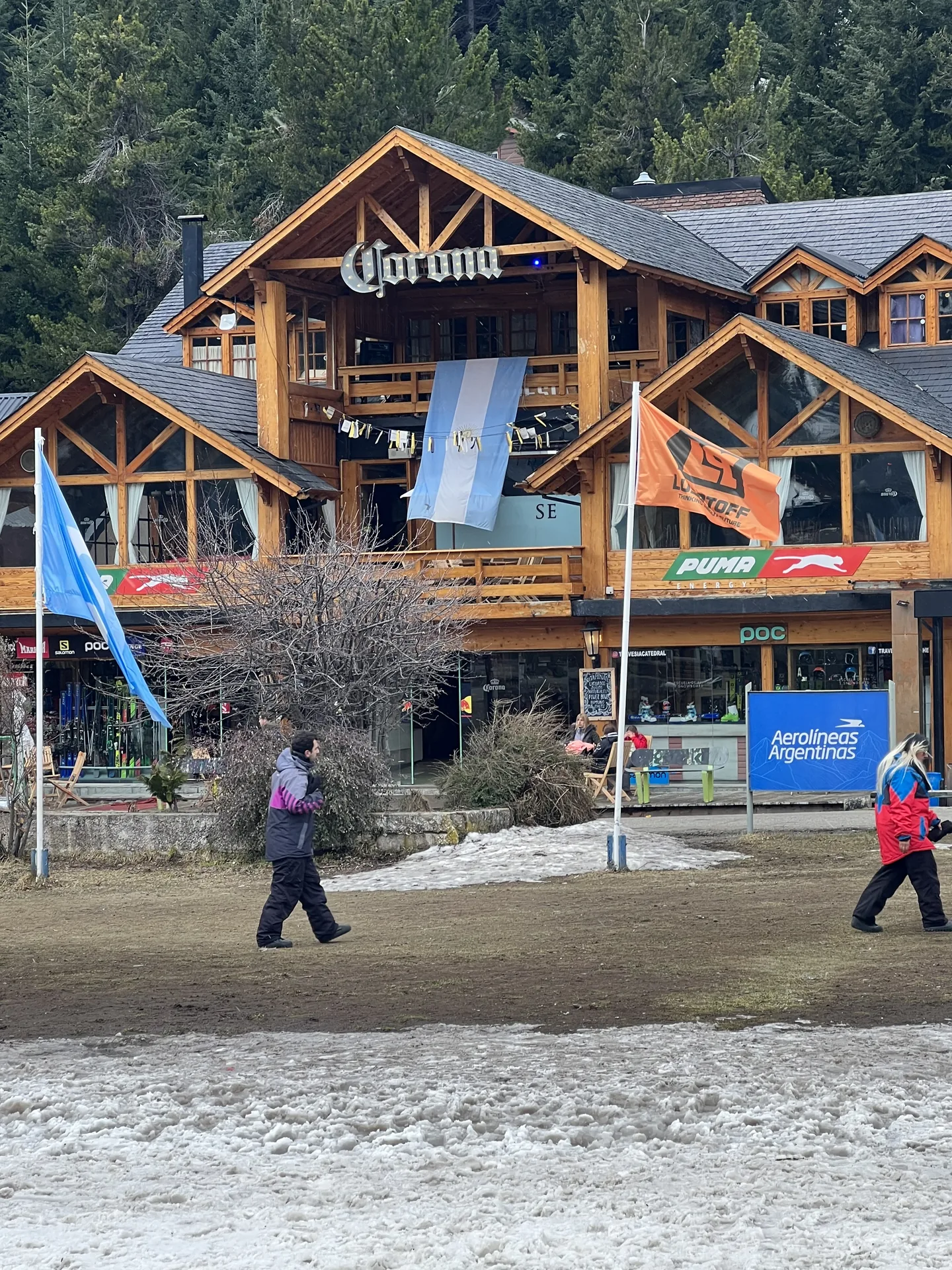
If I only had one week to ski in South America, I would probably choose the first half of September.
That answer surprises many people.
Most travellers assume September means the season is winding down. Sometimes that is true. Often, it is not.
Over the past five years, September has repeatedly delivered some of my favourite skiing in Patagonia. By late August, you may start seeing rocks appearing on exposed runs. You begin thinking winter is coming to an end. You start protecting your skis a little more carefully and saying goodbye to some of your favourite lines.
Then Patagonia reminds you who is in charge.
The forecast says 25 or 30 centimetres. You wake up and it is closer to 70. Suddenly the mountain looks like mid-winter again.
I have experienced that kind of September more than once. It is one of the reasons I never dismiss the end of the season too early.
Of course, there are no guarantees. That is exactly the point. Patagonia is unpredictable. One week can bring beautiful powder skiing. The next can bring rain. Then another overnight storm arrives and everything changes again.
That uncertainty is part of skiing in southern Argentina. Rather than fighting it, I have learned to plan around it.
The other reason I like September is simple: the crowds are usually much lighter. Many Argentines and Chileans do not plan their main ski holiday for September. They often think of it as too late in the season. But in many years, especially in Patagonia, September still has plenty to offer.
For me, that combination of good snow potential and fewer people makes the first half of September one of the most underrated windows of the South American winter.
Argentina vs Chile Throughout the Season
One question I hear regularly is whether Argentina or Chile has better snow.
The honest answer is that both can be excellent, and both can disappoint you if you arrive in the wrong week.
Generally speaking, Chile’s major resorts around Santiago, such as Valle Nevado, La Parva, and El Colorado, benefit from higher elevation. That often helps preserve snow quality during average seasons and can make the central Chilean resorts feel more reliable when temperatures rise.
Argentina’s best-known resorts, including Cerro Catedral and Chapelco, sit lower and can experience more variable conditions depending on the winter. You may see icy periods, exposed rocks, or even rain at times, especially lower on the mountain.
But that does not mean Chile is simply better.
Exceptional Argentine winters can produce outstanding snow quality and unforgettable powder days. Chile can also have slower years, windy periods, closures, or weaker storm cycles. The difference is often noticeable, but every season is different.
That is why I do not like reducing the decision to “Chile has better snow” or “Argentina is more fun.” Both statements can be partly true and still not help you plan the right trip.
If you are deciding between the two countries, our detailed comparison of Argentina vs Chile for Skiing and Snowboarding goes deeper into the differences in snow, terrain, logistics, atmosphere, food, transport, and overall travel style.
What Really Makes the Slopes Busy?
Crowds in South America are not random. They usually come from several factors overlapping at the same time:
- Winter school holidays. - Long weekends and national holidays. - Good snowfall attracting last-minute visitors. - Clear weather windows after storms. - The popularity of individual resorts. - The way accommodation is booked in weekly blocks.
This is why two people can visit the same resort only a week apart and have completely different experiences.
At Cerro Catedral, Chapelco, and Cerro Bayo, a lot of Argentine ski travel is built around week-long holidays. In the Santiago resorts, traffic and weekend patterns can be more dramatic because many people are moving between the city and the mountains. Around Valle Nevado, La Parva, El Colorado, and Farellones, road conditions, weather, and the day of the week can completely change the experience.
Understanding those patterns helps you plan a much better trip than simply choosing a month from a calendar.
And that is one of the biggest lessons I have learned after years of skiing in South America:
Do not just ask when the season starts. Learn how the season behaves.
Why I Recommend Staying at Least a Week
One of the biggest mistakes I see people make is trying to squeeze a South America ski trip into four or five days.
Can you have a great trip? Absolutely.
Can you also spend two of those days in fog, strong winds, or rain? Absolutely.
That is simply part of skiing in the Andes.
Unlike some destinations where conditions remain relatively stable for weeks, Patagonia has a personality of its own. It can change dramatically in a matter of hours.
I have had mornings where I could not see more than a few chairlift towers because of thick fog. I have also had afternoons where the clouds disappeared, the sun came out, and the mountain looked completely different.
Then there are the storms.
I have seen forecasts calling for around 25 centimetres of fresh snow. You go to bed expecting a nice powder day, wake up the following morning, pull back the curtains, and discover that Patagonia ignored the forecast completely. Instead of 25 centimetres, you have received closer to 70.
Those are the days you never forget.
The opposite happens too. I have enjoyed incredible powder skiing, only to watch two days of rain wash away much of the fresh snow from lower elevations. Just when you think winter is over, another overnight storm arrives and suddenly you are skiing fresh powder again.
That is Patagonia.
It does not always follow the forecast, and that is part of what makes it so addictive.
Because of that, I normally recommend planning at least seven full days, and if your schedule allows, ten days is even better.
Not because you will ski every single day, but because it gives the mountains time to show you everything they have to offer. A longer trip also removes a lot of pressure. You do not feel like your entire holiday depends on tomorrow’s weather forecast.
Instead, you can enjoy whatever the mountains decide to give you.
A Storm Day Does Not Have to Be a Bad Day
Many first-time visitors imagine that a bad weather day is a wasted day.
I do not see it that way.
Sometimes skiing during a storm is actually great fun. If visibility is poor, tree runs like Amancay at Cerro Catedral can offer surprisingly enjoyable skiing while much of the upper mountain disappears into the clouds.
On the other hand, there are days when the wind is simply too strong, visibility is almost zero, or lifts close for safety reasons.
That is when having a longer itinerary really pays off.
Instead of feeling frustrated, you can enjoy everything else that made you travel to Patagonia in the first place.
In Bariloche, that might mean spending the day exploring the town centre, visiting the famous chocolate shops, relaxing in a spa, discovering local breweries, enjoying a long lunch overlooking the lake, or simply wandering through different neighbourhoods before the next storm clears.
If you are staying around the Kilómetros instead of downtown, you will find another side of Bariloche altogether, with excellent restaurants, quieter accommodation, beautiful lake views, and easy access back to Cerro Catedral once the weather improves.
This is one of the reasons I believe skiing in South America is not only about skiing. The mountains are the reason most people come. The experience around them is often the reason they return.
If you are still wondering whether the travel, weather risk, and older infrastructure are worth it, our article Is Skiing and Snowboarding in South America Worth It? explains those trade-offs in more detail.
Every Season Writes Its Own Story
If there is one lesson I have learned over the years, it is that you should never assume the season is over until it actually is.
One of my favourite memories captures that perfectly.
During the remarkable 2024 season in Bariloche, Cerro Catedral officially closed at the end of September. Not because the mountain had run out of snow. Not because conditions had deteriorated.
The final operating day was actually a powder day.
It was the first time in my life that I watched a ski resort close while fresh snow was still falling and conditions were fantastic.
Many of us could not quite believe it. We joked about it. We complained about it. Some of us genuinely felt sad watching the lifts stop spinning.
The resort closed because its scheduled operating season had ended, not because winter had disappeared.
For skiers, it felt strange. For the mountain, winter clearly was not finished. In fact, we continued ski touring until 11 November that year.
Does that happen every season?
Absolutely not.
That is exactly why I call 2024 an exceptional winter rather than a normal one. It is also a reminder not to judge future seasons by extraordinary years.
Some winters arrive early. Some arrive late. Some finish with grass showing through the lower slopes. Others keep surprising you long after most visitors have gone home.
So, When Should You Visit?
The best time to ski in South America depends on what you are trying to optimise for.
If you want the safest overall choice
Late July through August generally offers reliable conditions across most of South America’s major resorts. Snow coverage is usually well established, most terrain is open, and the season is in full swing.
The trade-off is that you will be sharing the mountains with many more people, especially during the busiest holiday weeks.
If you want fewer crowds
The second half of August and especially the first half of September are often much quieter after the busiest holiday weeks have passed.
If the snow cooperates, this can be one of the most rewarding times of the entire winter.
If you want the best chance of early powder
June can produce magical conditions during exceptional winters, but it can also mean limited terrain, delayed openings, or uncertainty.
If you are travelling specifically for June, flexibility is your best friend.
If this is your first South America ski trip
If I were planning my very first trip today, I would personally choose the first half of September.
By then, the biggest crowds have usually disappeared. Snow conditions are often still good. Accommodation is generally easier to find. And if the season is behaving normally, there is still plenty of winter left.
More importantly, September has consistently surprised me over the past several years. It is the month people tend to underestimate.
Final Thoughts
South America is not a destination where you simply pick a month from a calendar and expect identical conditions every year.
That is part of its charm.
The Andes reward flexibility, curiosity, and realistic expectations. Some years begin with enough snow for ski touring in May. Other years take longer to wake up. Some Septembers feel like spring. Others deliver powder days that make you question why more people are not still on the mountain.
That is why choosing the right travel dates is about much more than reading average snowfall charts.
It is about understanding how the mountains behave.
It is about recognising that every season tells a different story.
And it is about giving yourself enough time to experience that story properly.
If you are still deciding where to ski, start with our guide to Where to Ski and Snowboard in South America, where I compare the major destinations across Argentina and Chile.
If you are choosing between the two countries, read Argentina vs Chile for Skiing and Snowboarding, because the best country depends on your dates, travel style, snow priorities, budget, and tolerance for logistics.
And if you are still asking whether it is worth flying south for a winter ski trip in July, August, or September, read Is Skiing and Snowboarding in South America Worth It? before you book your flights.
After spending years skiing both sides of the Andes, one thing has become very clear to me.
You cannot control the weather.
You cannot guarantee a powder day.
But with the right timing, realistic expectations, and a little flexibility, you can give yourself the best possible chance of experiencing why so many of us keep coming back to these mountains year after year.
Frequently Asked Questions
When is the absolute best month to ski in South America?
For my money, mid-August to mid-September. You get the deepest snowpack of the year, longer days, and the crowds start thinning after the second week of August. September in particular is my favourite — warm sun, soft snow, and half-empty chairlifts.
Is June too early?
It can be. Some years the resorts open in early June with a full base, other years they are still spinning one lift on man-made snow until the first week of July. If you have flexibility, wait for July. If you are locked into June dates, Chile at altitude is your safer bet.
When are the school holidays and how bad are the crowds?
Argentine and Chilean winter school holidays hit roughly the third week of July. Lifts are busy, hotels are full, prices jump. If you can avoid those two weeks, do — the same resort feels completely different.
Should I plan around the storm cycles?
You cannot forecast Andes storms three months out — nobody can. What you can do is give yourself a longer trip so a storm becomes a gift instead of a problem. That is why I always push people toward 7 to 10 days minimum.
When do the resorts close?
Most close between late September and mid-October depending on snow. Late-season skiing in South America can be some of the best of the year for advanced skiers — soft corn, empty runs, long lunches on the deck.
Author
Khosro Ronagh (Cogo)
Founder of YourSnowPlanner. 150 to 200 ski days a year across the world including Argentina, Chile, the Alps, Japan, Alaska and major ranges. Personal planning for skiers heading to South America.
About Cogo →