If you are planning a ski or snowboard trip to South America, there is a good chance that you will eventually arrive at the same question almost everyone asks: should you go to Argentina or Chile?
It sounds simple, but it is not a question that can be answered properly by looking at one snowfall chart, one lift map, or one list of resort statistics. I have spent multiple seasons skiing in both countries, and every year I meet travellers who chose one side of the Andes because they found a convenient flight, saw a beautiful video online, or heard a confident one-line opinion such as “Chile has better snow” or “Argentina is more fun.” There is some truth behind both statements, but neither tells you enough to plan the right trip.
Argentina and Chile both offer excellent skiing and snowboarding, extraordinary scenery, and the chance to continue riding while the Northern Hemisphere is in summer. Once you spend enough time in both, however, you realize that the experience surrounding the skiing can be completely different. Argentina often feels like a journey through Patagonia in which skiing becomes one memorable part of a much larger trip, while Chile, particularly around Santiago, can feel like the most practical and accessible way to reach high-altitude skiing in the Southern Hemisphere.
Neither country is objectively better for everyone. The better choice depends on how much time you have, how important snow reliability is to you, whether you want a ski town or a major city as your base, how comfortable you are travelling without fluent Spanish, what you want to do after skiing, and whether you care more about convenience or character.
This guide compares Argentina and Chile from the perspective of someone actually planning a trip, whether that means a solo traveller or a couple visiting for one week, two weeks, or a longer stay. I will look at access, resorts, snow, prices, accommodation, transport, language, food, nightlife, backcountry potential, and the small practical differences that can shape your entire holiday.
Final Thoughts
The Short Answer
For the overall travel experience, I usually prefer Argentina. It feels warmer socially, more spontaneous, and more memorable away from the mountain, with better food, more character, and a stronger sense that the trip is about far more than simply collecting ski days.
For easier logistics, higher elevation, and a more straightforward short trip, Chile often makes more sense. You can fly directly to Santiago, choose from several major ski areas close to the capital, and organize the entire holiday with fewer connections and fewer chances for the plan to become complicated.
That does not mean Argentina always has better atmosphere, or that Chile always has better snow. It means that each country tends to reward a different style of traveller. If I had only one week and wanted to ski as much as possible, I would seriously consider Chile first. If I had two weeks and wanted the trip itself to be as important as the skiing, I would probably choose Argentina.
Argentina: The Trip You Remember Years Later
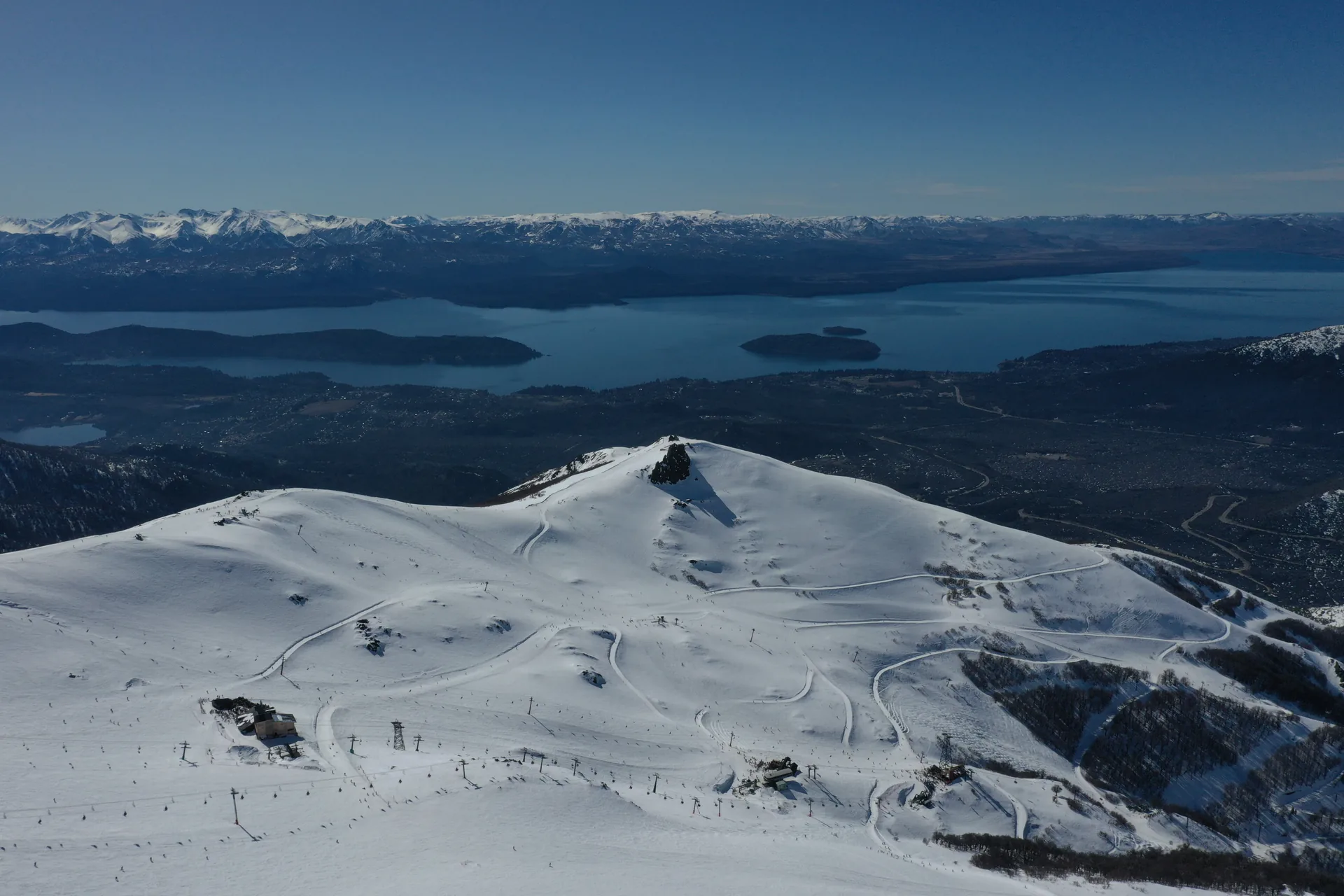
When people ask me what makes skiing in Argentina different, I rarely begin with the snow because the first thing that comes to mind is usually the people.
It is perfectly normal to sit next to someone on a chairlift who is drinking mate and, within a few minutes, be offered the same mate as though you have known each other for years. If they open a bag of nuts, those nuts are effectively yours as well, and nobody treats the exchange as anything unusual. A casual conversation can continue over lunch, turn into an invitation to dinner or a party, and end with an evening spent eating, drinking, and laughing with people who were complete strangers that morning. The following day, everyone returns to their own lives and you may never see them again.
That kind of spontaneity is difficult to manufacture, and it is one of the reasons Argentina stays with people. The skiing can be excellent and the scenery can be spectacular, but what many visitors remember most clearly is how easily they were included and how quickly a normal ski day turned into something much more personal.
Chile: The Easier Beginning
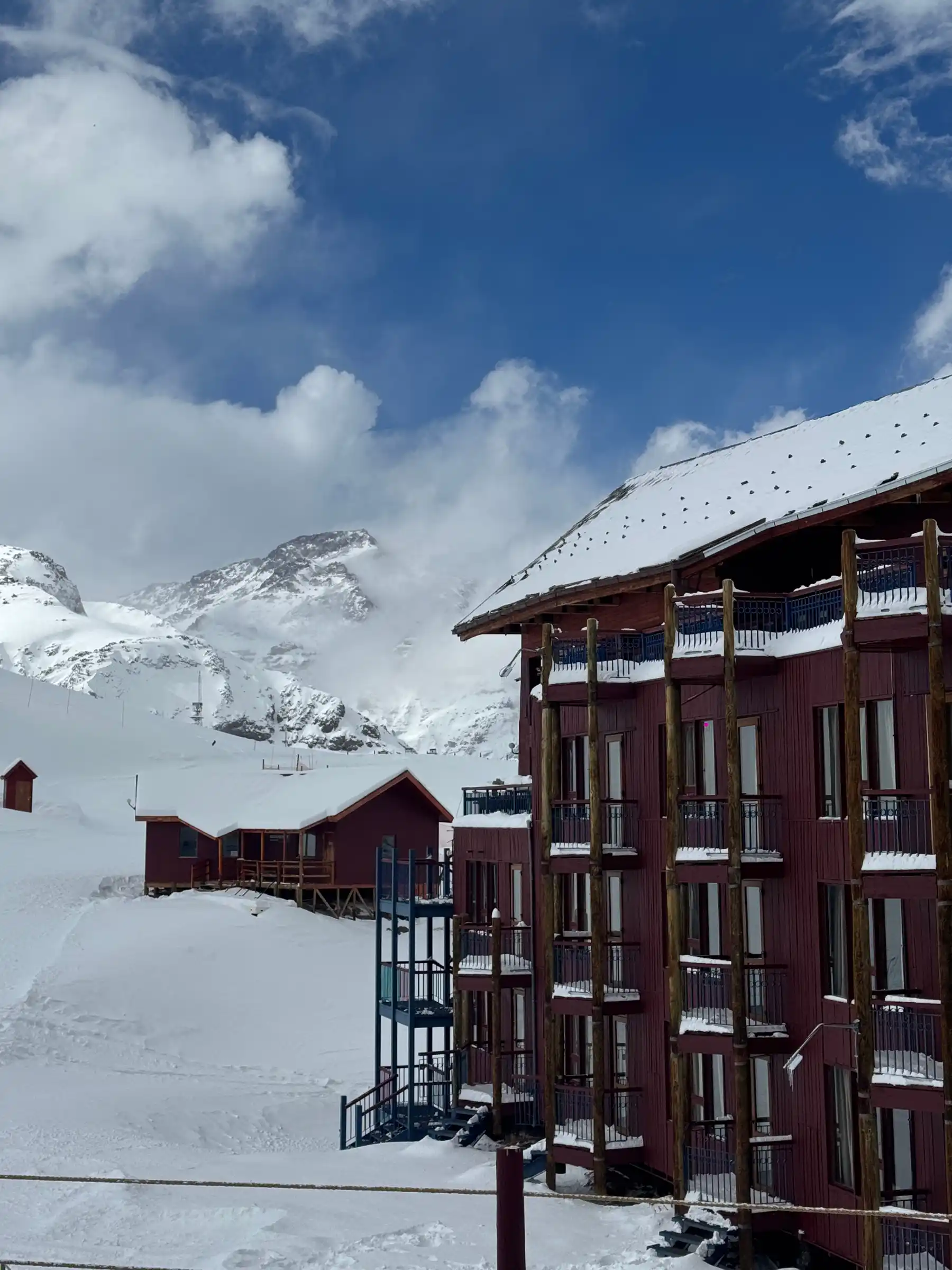
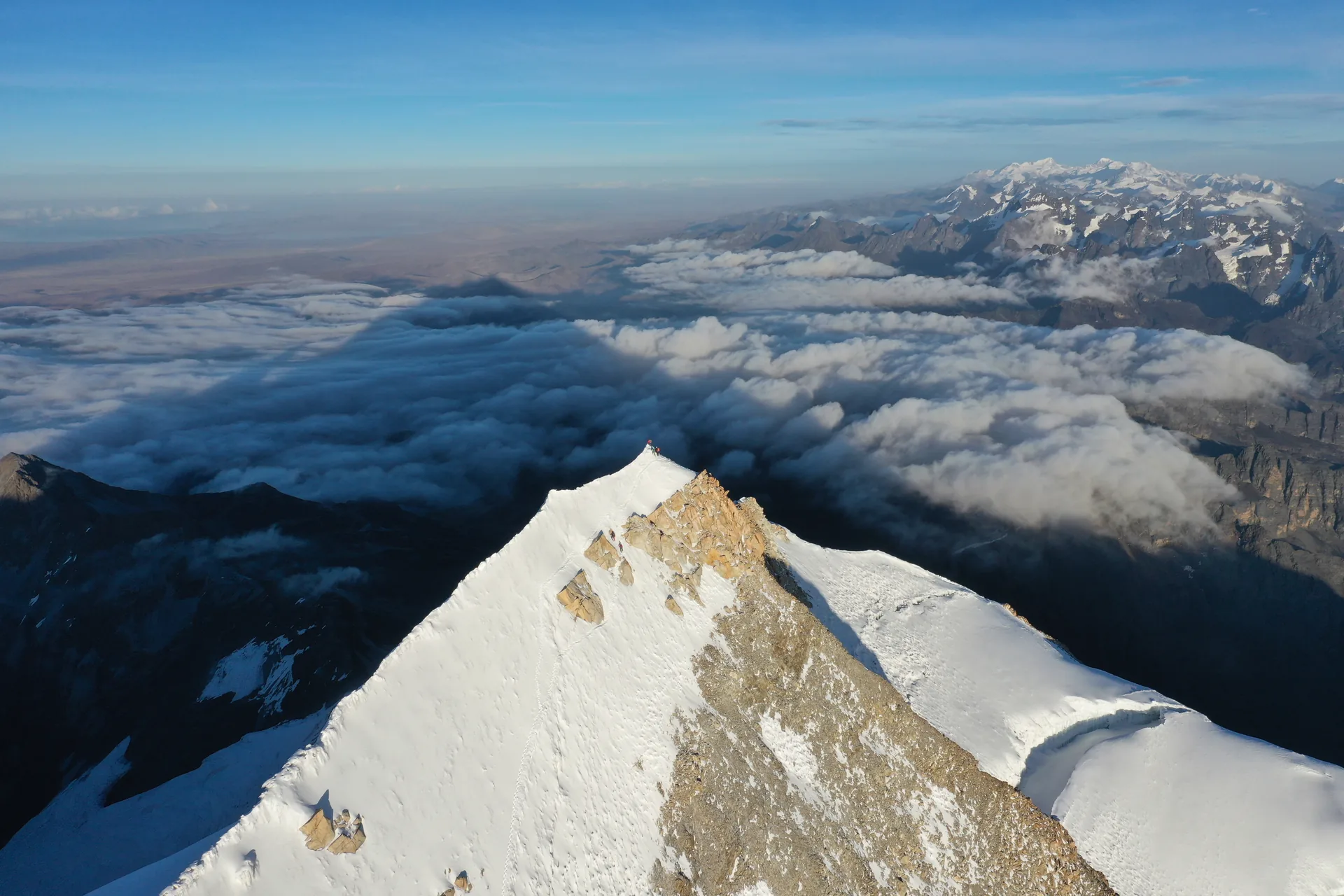
Chile creates a different first impression, particularly if you are arriving from North America or Europe and only have a limited amount of time. Instead of flying to Buenos Aires, possibly changing airports, and then taking another flight to Bariloche or Mendoza, you can land in Santiago and begin organizing your mountain transfer almost immediately.
From Santiago, Valle Nevado, La Parva, El Colorado, and Farellones are all within reach, which gives you several skiing and snowboarding options without adding another domestic flight. You can take a shuttle, arrange a taxi, rent a car, stay in the city, or book accommodation closer to the mountains. For someone visiting South America for the first time, particularly someone with only seven or eight days, removing those extra transfers can make the entire trip feel far less demanding.
The advantage is especially clear when you compare Chile with a destination such as Las Leñas. Reaching Las Leñas usually means flying to Argentina, continuing to Mendoza, and then travelling another four, five, or sometimes six hours by road. That journey may be worthwhile for the right skier or snowboarder, but it is not a minor detail when you are working with a short holiday.
A Ski Town or a Capital City?
One of the most important differences between the two countries has nothing to do with vertical drop, snowfall, or terrain. It is the place you return to when the lifts close.
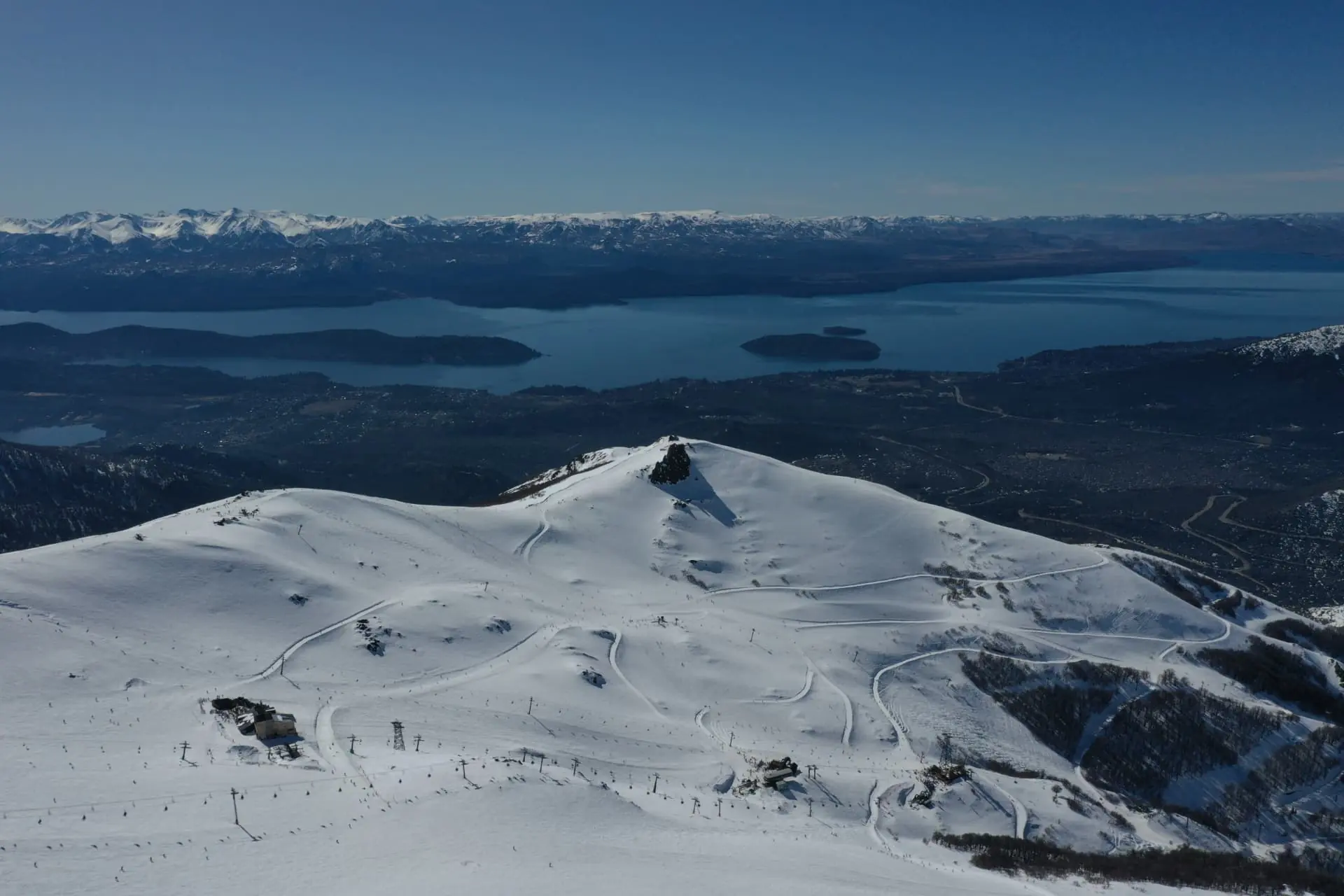
Many visitors to Argentina base themselves in Bariloche, which is not simply a convenient place to sleep after skiing at Cerro Catedral. It is a destination in its own right, with restaurants, craft breweries, cafés, chocolate shops, clubs, lake views, and enough atmosphere to make rest days enjoyable rather than frustrating. Even when the weather is poor, you still feel that you are in Patagonia and that the holiday is continuing.
In central Chile, many visitors stay in Santiago and travel to the mountains. That arrangement gives you an enormous range of hotels, restaurants, shops, and services, along with the practical advantage of being in a metropolitan area of roughly nine million people. If you forget an important item, damage your equipment, or need to reorganize part of the trip, Santiago gives you options that a smaller mountain town cannot match.
The trade-off is that Santiago is still a very large city. You may spend the evening in traffic, look out at urban streets rather than mountains, and feel that the ski day has ended completely once you return. Some travellers enjoy the variety and convenience, while others would rather wake up in a smaller town where the mountains shape the entire rhythm of the day.
The Journey Matters More Than the Statistics
People often compare ski destinations as though the entire holiday can be reduced to the number of lifts, the top elevation, or the average snowfall. In reality, you are also choosing where you will eat, how often you will drive, what happens when the weather turns bad, how easily you can meet people, and whether a non-ski day feels like a lost day or part of the experience.
A couple trying to ski every possible hour during a one-week holiday may make a very different decision from a couple spending two weeks in Patagonia, where long dinners, lake views, breweries, and unplanned rest days are part of the reason for travelling. Neither choice is more serious or more authentic; they simply represent different priorities.
This is why statements such as “Chile has higher resorts,” “Argentina has better nightlife,” or “Argentina is cheaper” are not enough on their own. Some are partly true, some used to be more accurate than they are today, and others change completely depending on the resort, the season, and where you stay.
Snow Quality and Elevation
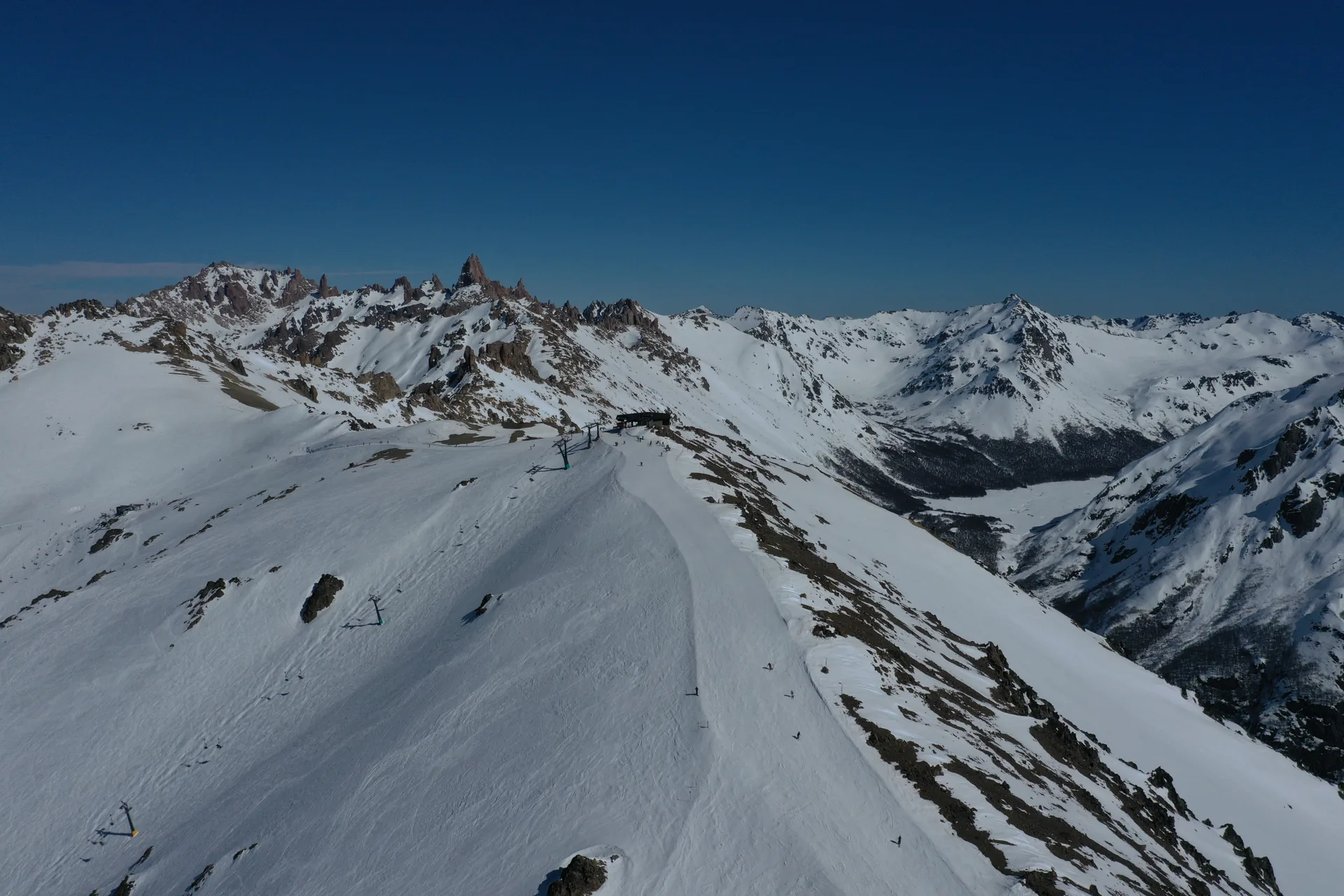
For many travellers, the strongest argument in favour of Chile is elevation. The major ski areas above Santiago sit considerably higher than Cerro Catedral, and that difference can affect temperature, snow texture, and how well the mountain recovers after a storm.
Valle Nevado reaches roughly 3,600 metres, while the upper mountain at Cerro Catedral is around 2,200 metres. That is a major difference, and it helps explain why Chile often produces colder, drier snow while Bariloche can experience heavier snow, icy periods, or even rain during the middle of winter.
I have skied superb powder in Bariloche and then watched rain fall for two straight days, stripping away much of what had just arrived and leaving everyone completely miserable. A day later, another storm can bring half a metre of fresh snow and winter suddenly returns as though nothing happened. That instability is part of skiing in Patagonia, and anyone choosing Catedral should understand that the season can change quickly.
Chile is not immune to poor seasons, wind, closures, or warm weather, but the altitude of resorts such as Valle Nevado generally gives them an advantage when snow quality is the main concern. If you are travelling for a short period and want to reduce the risk of encountering rain or wet lower-mountain conditions, Chile deserves serious consideration.
Argentina, however, should not be dismissed as the unreliable option. When conditions align, the skiing can be outstanding, and the variety at Catedral or the steep terrain of Las Leñas can justify the additional uncertainty. The honest difference is that Argentina often asks you to accept more variability in exchange for the broader experience surrounding the skiing.
Resort Atmosphere
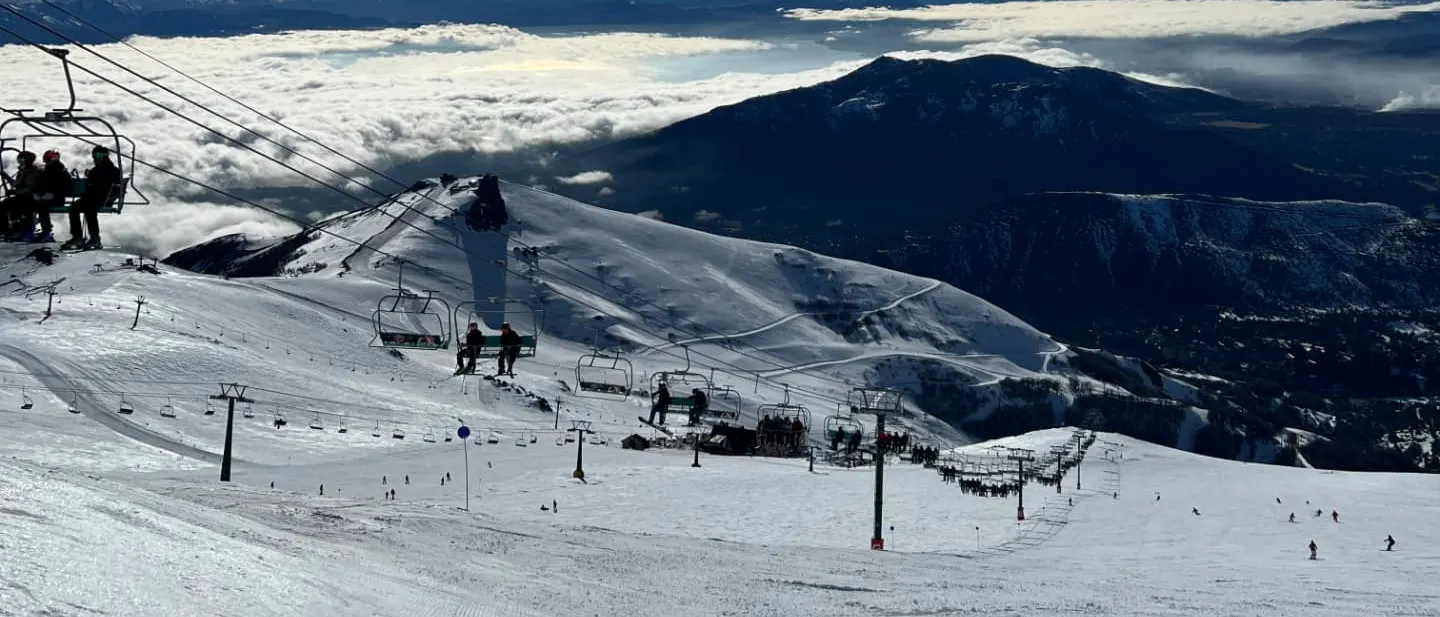
Cerro Catedral and Bariloche are closely connected, which means the energy of the ski day often continues into the evening. People leave the mountain, return to town, meet friends for food, fill the breweries, and sometimes continue into bars or clubs. Skiing feels like one part of a larger social holiday rather than an isolated activity.
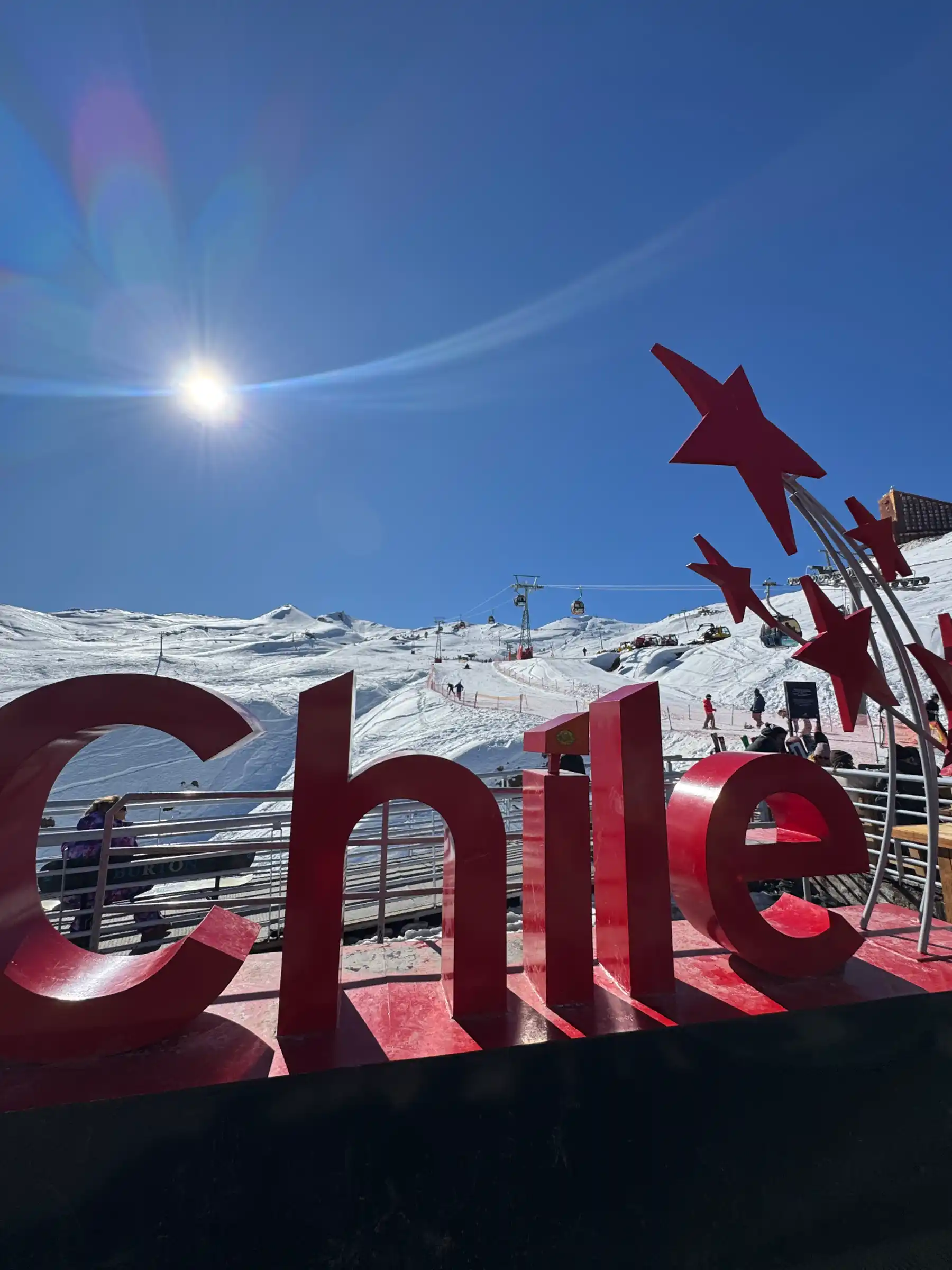
Valle Nevado offers a different model. Many visitors either stay in the resort hotels or return to Santiago, so the mountain itself becomes the centre of the experience. For some people, that is ideal because they want a simple routine of breakfast, skiing, dinner, and sleep without having to think about anything else. For others, the absence of a real ski town nearby can make the evenings feel more limited.
Neither model is automatically better, but it is important to understand the difference before booking. Someone expecting Bariloche-style nightlife while staying in a mountain hotel in Chile may be disappointed, just as someone wanting a quiet, self-contained resort holiday may find central Bariloche busier and less convenient than expected.
One Week, Two Weeks, or Longer?
Trip length changes the comparison more than almost any other factor.
For a one-week trip, Chile is often the practical winner because you can arrive in Santiago, organize a transfer, and reach the mountains without adding a domestic flight. Fewer connections mean fewer delays, fewer opportunities for luggage problems, and less time spent moving between airports. When every ski day matters, those saved hours become valuable.
With ten days to two weeks, Argentina becomes much more attractive because the extra journey no longer consumes such a large proportion of the holiday. You have enough time to enjoy Bariloche properly, explore different neighbourhoods, take a rest day around Nahuel Huapi Lake, eat well, and allow the weather to change without feeling that the entire trip has been ruined.
For a longer stay of several weeks, the answer may be both countries. With enough time, you can follow weather systems, move between resorts, and create an itinerary that combines Chilean altitude with the culture and atmosphere of Argentina. A longer trip also makes season passes, accommodation strategy, and car rental value far more important than they would be during a short holiday.
Lift Tickets and Overall Value
A common assumption is that Argentina is the cheap option, but that advice is increasingly outdated. Argentina was dramatically cheaper several seasons ago, when the peso was losing value rapidly and foreign visitors could take advantage of favourable exchange rates. As the economy and exchange-rate system have changed, the difference has narrowed considerably.
For the 2026 season, a day pass at Cerro Catedral is around 160,000 Argentine pesos, which is approximately US$120 depending on the exchange rate used. Only a few seasons earlier, the equivalent price was closer to US$45, so anyone relying on old articles or forum posts may be surprised by the current cost.
At Valle Nevado and other major Chilean resorts, daily lift tickets commonly fall in the broad range of US$80 to US$100, depending on the date, product, and advance-purchase conditions. Chile also offers an important advantage for longer stays because season passes can become worthwhile once you are skiing for more than two weeks. Catedral, surprisingly, does not offer the type of conventional public season pass many international visitors would expect, which can make repeated day tickets expensive for someone staying for a month.
The better-value country therefore depends on the exact trip. A short stay in Bariloche, a week in a Valle Nevado hotel, and a month based in Santiago are three completely different budgets, even before flights, meals, transport, and equipment are considered.
Language and the People You Meet
The international crowd is another noticeable difference. Around Valle Nevado, El Colorado, and the other Santiago-area resorts, you are likely to hear much more English, particularly from Americans, Canadians, Europeans, and Ikon Pass holders who have travelled south to use their included days.
This can make Chile feel easier for a solo traveller who does not speak Spanish. It is often possible to meet other international visitors in a hotel bar, on a shuttle, or on the mountain, and English is usually available through professional services such as ski schools, guides, and larger hotels.
Argentina attracts international visitors as well, although the mix is often more Latin American, with many travellers arriving from Brazil and neighbouring countries. English is less common in ordinary day-to-day situations outside hotels and tourism businesses, so basic Spanish becomes much more useful if you want to move beyond the most organized parts of the trip.
You can certainly visit Argentina without speaking Spanish, but learning enough to order food, ask for directions, make conversation on a chairlift, or understand a local recommendation changes the experience. In Chile, you may be able to function comfortably in English; in Argentina, some Spanish is often the key that opens the more social and local side of the trip.
Food, Beer, Wine, and the Evenings After Skiing
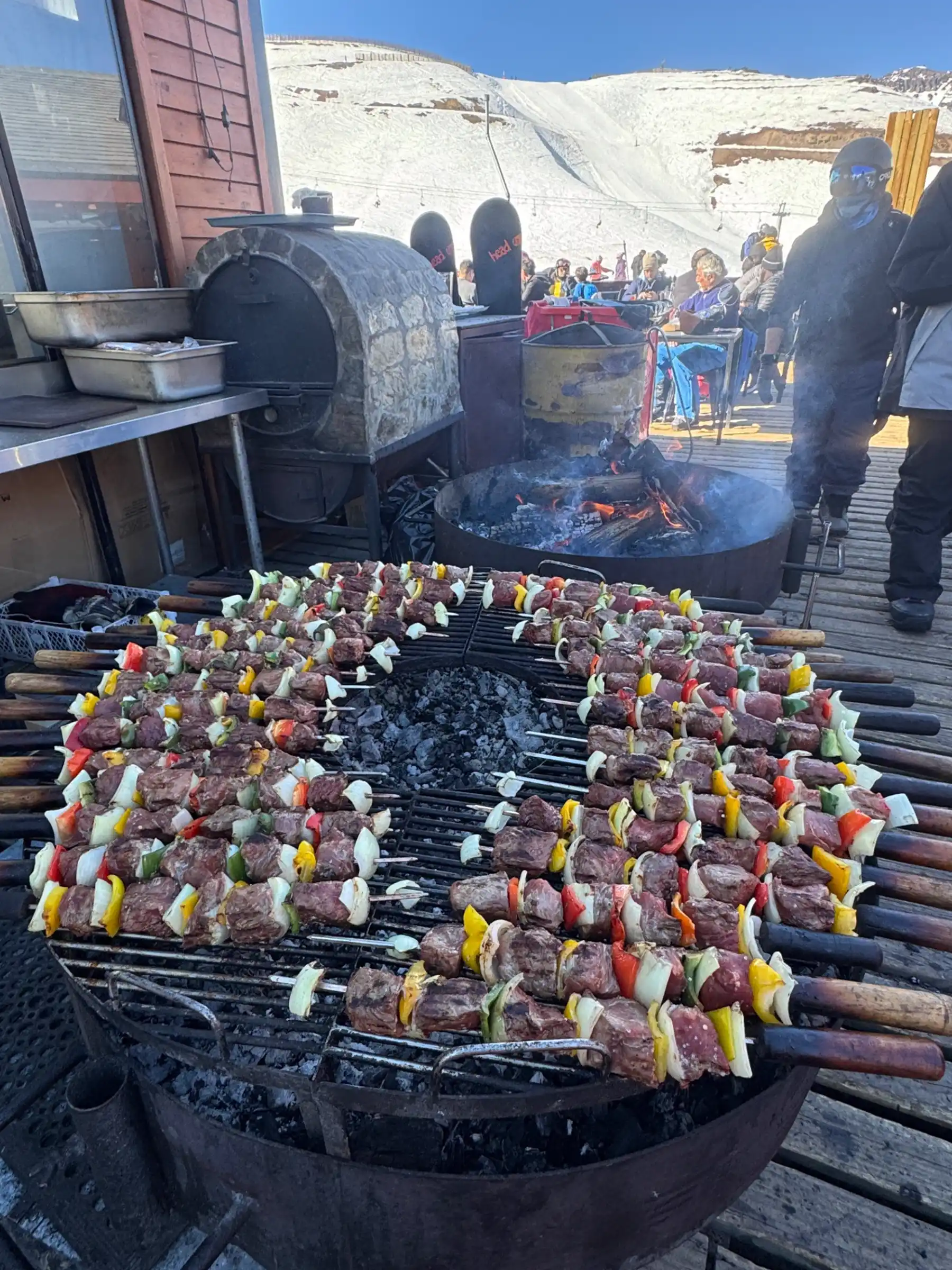
This is the category in which my preference for Argentina becomes difficult to hide. The combination of steak, Patagonian lamb, Malbec, craft beer, cafés, and Italian influence turns meals into one of the main events of the holiday rather than something you fit in after skiing.
Bariloche has a strong craft beer scene, plenty of restaurants, and the kind of evening atmosphere that makes it easy to continue socializing after the mountain closes. Buenos Aires, if you spend time there before or after the ski portion of the trip, adds another layer entirely, with enough restaurants, bars, and neighbourhoods to justify several days on its own.
Chile has excellent food and exceptional wine, particularly in and around Santiago, so this is not a criticism of Chilean dining. The difference is more about how naturally the food and social life connect to the ski trip. In Argentina, the evening often feels like a continuation of the mountain day, while in Chile the ski experience and the city experience can feel more separate.
Car Rentals and Vehicle Quality
Car rental can also reveal a noticeable difference between the two countries. In my experience, Chilean rental fleets are generally newer, and the same budget that might secure a basic higher-clearance vehicle such as a Hyundai Santa Fe in Chile may only stretch to a small car such as a Toyota Yaris in Argentina.
That difference matters once you add ski bags, boots, luggage, changing weather, and mountain roads. A small car may be perfectly adequate for a couple staying in town and driving on cleared roads, but it becomes less comfortable if you are travelling for several weeks, carrying a great deal of equipment, or exploring beyond one resort.
Vehicle availability and pricing change constantly, so this should not be treated as a fixed rule, but Chile often offers better perceived value and better fleet quality. Argentina can still work well with careful booking, although travellers should pay closer attention to tyre requirements, luggage capacity, insurance conditions, and the actual model being supplied.
Traffic and Where You Stay
Traffic exists on both sides of the Andes, but it creates different problems.
The road between central Bariloche and Cerro Catedral can become slow during busy periods, particularly in poor weather or around the beginning and end of the ski day. The delay can be annoying, but it is usually part of a relatively contained journey between the city and the mountain.
The return from Valle Nevado, La Parva, or El Colorado to Santiago can be far more severe on busy weekends. On a Saturday or Sunday, especially after fresh snow or during peak holiday periods, the journey can stretch to seven or eight hours. A day that looked simple on a map can end with most of the evening spent in a queue on a mountain road.
This is why accommodation strategy matters so much. Staying in Santiago may reduce costs and give you access to the city, but it also exposes you to the commute. Staying in Farellones, El Colorado, La Parva, or Valle Nevado can remove the daily drive, although mountain accommodation is more limited and often more expensive. In Bariloche, choosing between the city centre, the kilometres area, and the base of Catedral creates a similar set of trade-offs.
The question is therefore not simply whether Argentina or Chile has worse traffic. It is where you plan to stay, which days you intend to ski, how early you are willing to leave, and whether avoiding the commute is worth paying more for accommodation.
Backcountry Skiing and Ski Touring
Both countries offer serious backcountry potential, and neither should be reduced to lift-served skiing alone.
In Argentina, Refugio Frey near Bariloche is one of the best-known touring areas in South America, with dramatic granite terrain and routes ranging from relatively approachable tours to steep alpine objectives. Las Leñas is famous for expert terrain, lift-accessed off-piste possibilities, and large backcountry lines when the snowpack and operating conditions cooperate. Farther south, El Chaltén attracts experienced ski mountaineers who are looking for remote Patagonian terrain rather than a conventional resort holiday.
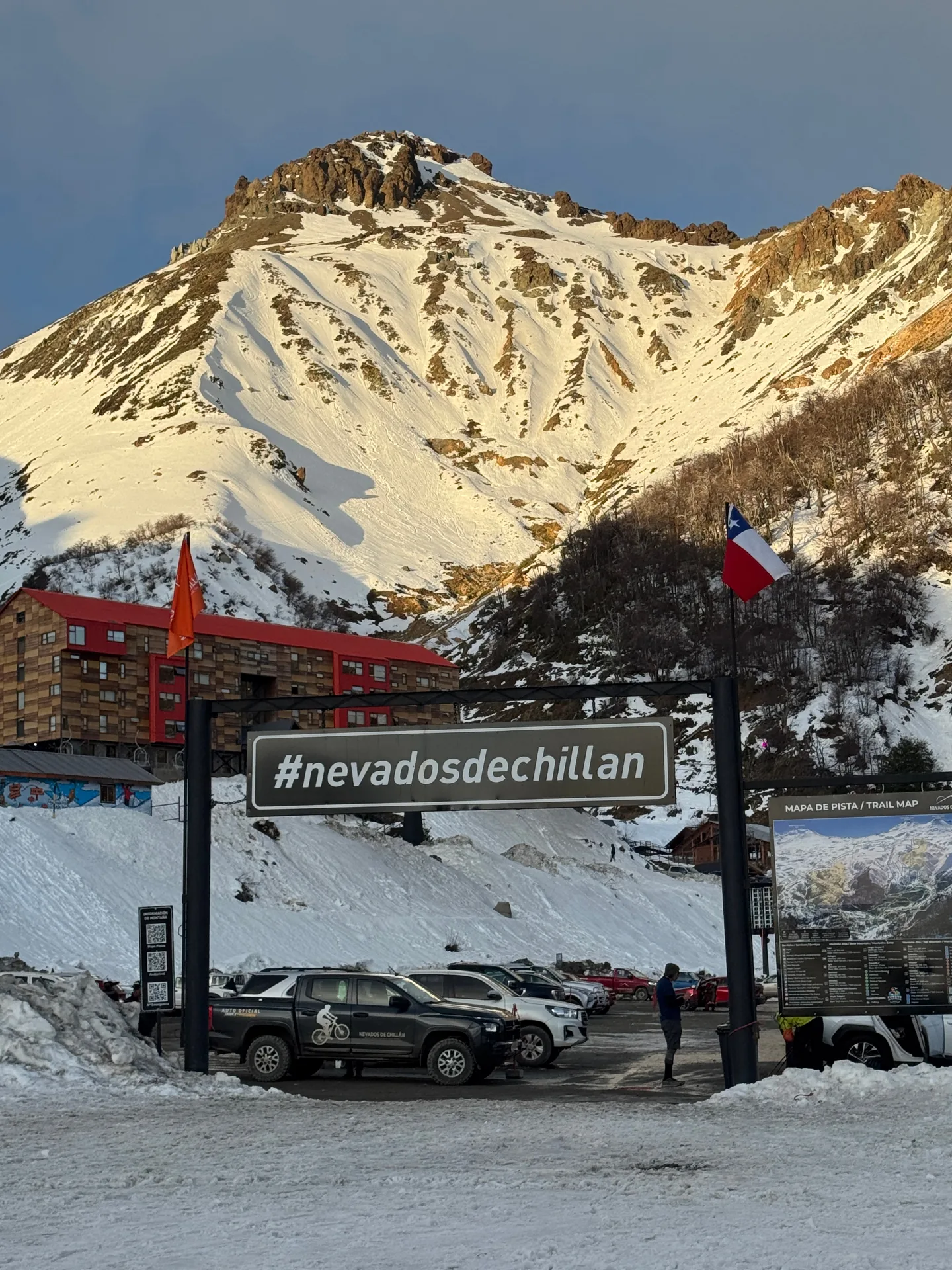
Chile has equally significant options, including touring and sidecountry above Valle Nevado, La Parva, and El Colorado, backcountry around Cajón del Maipo, and a long list of volcano objectives farther south. Nevados de Chillán and the volcanic regions of southern Chile have international appeal because they combine touring with landscapes that feel entirely different from the central Andes.
For a traveller whose main objective is backcountry skiing or splitboarding, I would not choose a country based only on general reputation. The better option depends on the current snowpack, avalanche conditions, wind, access, the type of terrain you want, and the availability of experienced local guides. Both countries contain enough terrain for dedicated future guides of their own.
Payments, Cash, Western Union, and Crypto
Travelling in either country is considerably easier than it used to be because both are now largely cashless in the places most ski travellers visit. Credit cards are widely accepted at hotels, restaurants, rental companies, shops, and major resorts, so there is generally no need to carry large amounts of cash for ordinary expenses.
Western Union can still be useful in Argentina, particularly when exchange-rate differences make it advantageous, although the benefit depends on the economic situation at the time of travel. Some businesses also accept cryptocurrency, especially in more tourist-oriented areas, but that should be considered a useful option rather than the basis of an entire payment plan.
The practical conclusion is that day-to-day transactions are no longer one of the main reasons to choose Chile over Argentina. You should still carry some local currency and use cards that do not charge excessive foreign-transaction fees, but paying for a normal ski trip in either country is straightforward.
Which Country Suits You Best?
The most useful way to answer the Argentina-versus-Chile question is not to ask which country is better, but which one better matches the trip you are actually planning.
Choose Chile if you have around one week, want the simplest possible logistics, prioritize elevation and generally drier snow, already hold an Ikon Pass, prefer a large city with every service available, or do not speak Spanish and want an easier international environment.
Choose Argentina if you have at least ten days, enjoy travelling as much as skiing, care strongly about food and nightlife, want to meet locals, prefer the atmosphere of a smaller city or mountain destination, and are willing to accept additional flights and a less predictable snow experience in exchange for a more memorable overall journey.
Skiers and Snowboarders {#skiers-and-snowboarders}
I would not divide the two countries by sport because both offer excellent terrain for skiers and snowboarders. The individual resort matters far more than the flag.
Cerro Catedral offers a large variety of terrain and can keep a strong skier or snowboarder interested for several days, although lower elevation and changing snow conditions can affect the experience. Valle Nevado offers high, open terrain and often benefits from drier snow. Las Leñas has a major reputation among advanced riders because of its steep terrain and big-mountain character, while Chile combines strong lift-served skiing with extensive sidecountry and touring potential.
A snowboarder should pay attention to traverses, lift layout, and the exact sectors they want to ride, just as a skier should consider terrain style and ability level. The better resort is the one that matches your riding, not automatically the one in Argentina or Chile.
Couples {#couples}
For couples, Argentina has a strong advantage because Bariloche provides so much to do when you are not skiing. You can spend the evening walking through town, eat with a view of the lake, visit breweries, explore cafés and chocolate shops, or take a rest day without feeling that you have abandoned the purpose of the trip.
Chile can also make an excellent couples’ holiday, particularly if you combine skiing with Santiago, wineries, and several days of city travel. Even so, Argentina often feels more naturally romantic because Patagonia, the lake, the food, and the slower rhythm all remain part of the same journey.
Solo Travellers {#solo-travellers}
Chile is usually easier for a solo traveller who wants to meet other international skiers quickly. The Ikon Pass crowd, resort hotels, shuttles, and greater use of English create obvious meeting points.
Argentina can be even more rewarding socially, but it asks for more participation. If you are willing to speak a little Spanish and engage with local people, the experience can become far more spontaneous than a standard international resort trip. Some of my favourite memories in Argentina began with an ordinary chairlift conversation and ended at a dinner or gathering that was never part of the original plan.
Powder Hunters {#powder-hunters}
For powder hunters, flexibility matters more than nationality. Storms cross the Andes in complicated ways, and one side can be excellent while the other is wind-affected, warm, or waiting for snow. Some weeks Chile wins, while other weeks Argentina receives the better conditions.
Anyone travelling primarily for powder should monitor forecasts closely and avoid building an itinerary that cannot be changed. The ability to move dates, change resorts, or cross the border can be more valuable than choosing the theoretically better country months in advance.
Budget Travellers {#budget-travellers}
Argentina should no longer be treated as the automatic budget choice. Lift tickets, accommodation, and meals have risen sharply, and the additional domestic flight or airport transfer can remove much of the saving a traveller expected to find.
Chile can also be expensive, particularly if you stay in a resort hotel, but Santiago offers a huge range of accommodation and food options, while season passes may lower the cost for longer stays. The only reliable way to compare value is to build the actual itinerary and include every major cost rather than comparing only the day-pass price.
What Would I Choose?
If I had one week and wanted the highest chance of maximizing ski time, I would probably choose Chile because the direct arrival into Santiago, the access to several nearby resorts, and the higher elevation create a more efficient short trip.
If I had two weeks, I would choose Argentina because the extra travel would feel worthwhile and I would have enough time to enjoy the parts of the trip that make Bariloche and Patagonia special. The skiing would remain important, but it would no longer be the only measure of whether the holiday was successful.
With three weeks or longer, I would try to ski both countries. A longer itinerary gives you the freedom to follow snow, compare different regions, and experience both the practical strength of Chile and the atmosphere of Argentina without forcing one country to provide everything.
Final Thoughts
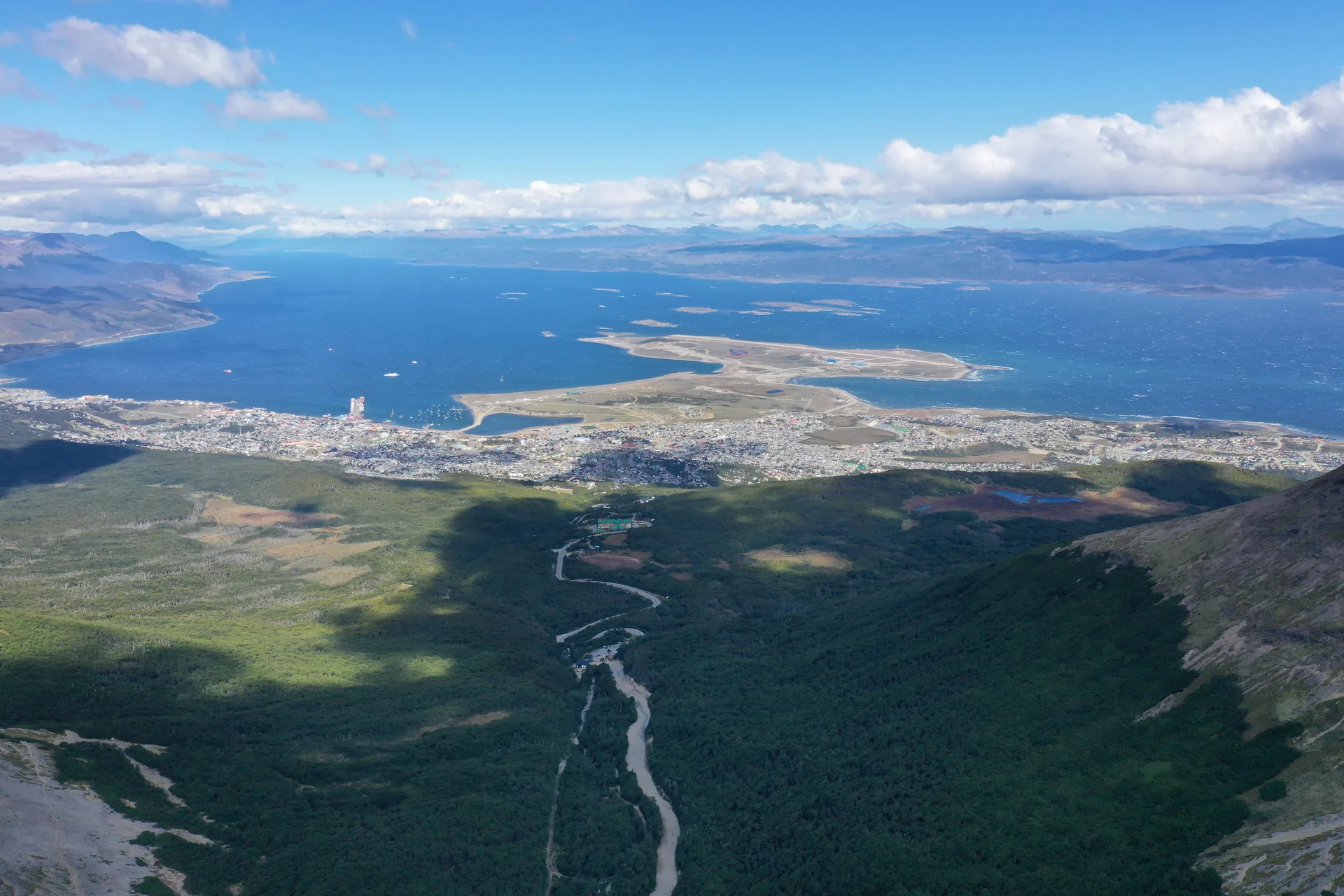
Argentina and Chile are often presented as rivals, but I see them as two different ways to experience skiing and snowboarding in South America.
Chile is generally more accessible, higher, and easier to organize, particularly for a first visit or a short holiday. Argentina requires more effort and accepts more uncertainty, but it often rewards that effort with better food, warmer social experiences, a stronger sense of place, and evenings that become as memorable as the skiing itself.
My personal preference leans toward Argentina because the entire journey feels richer and more human, although that does not make it the right answer for every trip. There are weeks when I would recommend Chile without hesitation, especially when time is limited or the snow outlook clearly favours the central Andes.
The best decision is not the country that wins the most categories on paper. It is the one that matches your dates, your budget, your riding style, your tolerance for travel, and the kind of holiday you want to remember.
This comparison is only the beginning. Future guides will examine Cerro Catedral against Valle Nevado, where to stay in Bariloche, whether to base yourself in Santiago or on the mountain, the best backcountry regions, detailed resort budgets, transport, supermarkets, restaurants, rental cars, and the smaller practical choices that usually determine whether a South American ski trip feels easy or exhausting.
The goal is not simply to help you pick Argentina or Chile. It is to help you build a trip that suits you well enough that, before you have even flown home, you are already planning the next one.
Frequently Asked Questions
Which country has better snow?
Neither, honestly. Chile is drier and higher, Argentina is wetter and more scenic. In a good year they are both fantastic. In a bad year both suffer. I have had my best powder days in Argentina and my sunniest bluebird weeks in Chile.
Is Chile really cheaper than Argentina?
Chile is more predictable on price but not always cheaper. Argentina swings hard with the exchange rate — some years it is one of the cheapest ski trips on the planet, other years it lines up with European prices. If budget is the deciding factor, ask me the month you plan to book and I will tell you where the peso sits right now.
Which is better for beginners?
Chile, most of the time. Valle Nevado and La Parva have wide, well-groomed beginner terrain right off the base and instructors used to international guests. Bariloche's Catedral is also great for beginners but the mountain is bigger and takes a day to figure out.
Can I do both countries in one trip?
You can, and it is a beautiful trip, but I only recommend it if you have at least 12 days. A common route is a few days in the Santiago resorts, a bus over the Andes to Mendoza wine country, then fly down to Bariloche. Otherwise you spend half the trip in transit.
Where do the locals ski?
In Chile, most Santiago skiers go to La Parva or El Colorado for the day and Valle Nevado for the weekend. In Argentina, Bariloche locals live on Catedral. If you want to feel where the country actually skis, those are the mountains.
Author
Khosro Ronagh (Cogo)
Founder of YourSnowPlanner. 150 to 200 ski days a year across the world including Argentina, Chile, the Alps, Japan, Alaska and major ranges. Personal planning for skiers heading to South America.
About Cogo →